MetaMask’s AI Agent Wallet: What It Means for Self-Custody, Security and DeFi Automation
By Mag-Info Tech editorial · 2026-06-08

MetaMask has introduced a self-custodial wallet designed specifically for AI agents, enabling software bots to execute trades across decentralized finance while keeping ultimate control with users. The product, called MetaMask Agent Wallet, expands the wallet’s role from a simple interface for human traders to a platform that can host autonomous economic actors. Every transaction proposed by an AI agent undergoes automated simulation, threat scanning, and miner extractable value (MEV) protection before execution, with risky operations flagged for two-factor authentication and user approval. The wallet is available through a limited early-access program now, with a broader rollout expected in the coming months.
This move arrives as AI agents increasingly act as market participants, managing capital and executing strategies across decentralized exchanges and protocols. By embedding security controls directly into the wallet layer, MetaMask is positioning itself at the intersection of AI-driven automation and self-custody, offering both efficiency and risk mitigation for users who want to delegate trading to software while retaining final say over their funds.
How the MetaMask Agent Wallet Works: Self-Custody Meets AI Autonomy
The MetaMask Agent Wallet operates as a self-custodial wallet, meaning users retain full control of their private keys and funds at all times. Unlike traditional smart wallets that rely solely on code-based rules, this wallet introduces a new model where AI agents—software programs acting on behalf of users—can initiate transactions across decentralized exchanges, perpetual futures markets, prediction markets, and liquidity provisioning protocols. The wallet supports Ethereum-compatible blockchains, giving agents access to a broad ecosystem of decentralized finance (DeFi) applications.
Before any transaction is executed, the system runs a multi-stage security pipeline. First, the transaction is simulated to predict its outcome and detect potential errors or unintended effects. Next, threat scanning identifies malicious patterns or unauthorized actions. Finally, MEV protection mechanisms are applied to prevent front-running, sandwich attacks, and other forms of value extraction that can harm users. If the transaction passes these checks, it can proceed; if not, it is flagged for human review via two-factor authentication. This layered approach ensures that even when an AI agent acts autonomously, the user remains in control and protected from common DeFi risks.
For users, this means they can delegate routine trading, portfolio rebalancing, or yield farming to an AI agent without surrendering custody of their assets. The wallet does not replace user control—it enhances it by automating execution while enforcing strict security boundaries. This model aligns with the core principle of self-custody in crypto: users own their keys and their decisions, even when delegating operational tasks to software.
Security by Design: Simulation, Scanning and MEV Protection
Security is the central selling point of the MetaMask Agent Wallet. Every transaction initiated by an AI agent is automatically subjected to three layers of defense: simulation, threat scanning, and MEV protection. Transaction simulation uses blockchain state data to forecast the outcome of a proposed trade, catching issues like slippage, failed executions, or unintended token transfers before they occur. This reduces the risk of costly mistakes or exploits that could drain a user’s wallet.

Threat scanning goes further by analyzing transaction parameters for signs of malicious intent, such as unauthorized transfers, unusual gas limits, or interactions with known malicious contracts. This is especially important as AI agents may interact with new or unvetted protocols, increasing exposure to smart contract risks. By flagging suspicious activity early, the system prevents agents from executing harmful operations without explicit user consent.
MEV protection is critical in DeFi, where sophisticated bots can manipulate transaction ordering to extract value from users. The wallet’s built-in MEV defenses include private transaction relaying and transaction batching strategies that obscure intent and reduce exposure to front-runners. Together, these measures help ensure that AI-driven trades are executed fairly and transparently, preserving user returns and trust in the system.
User Control and Risk Mitigation: Limits, Allowlists and Two-Factor Authentication
While the wallet enables AI autonomy, it does not compromise on user control. Users can set spending limits that cap the amount an AI agent can trade or withdraw within a given period. This prevents runaway trades or large unauthorized movements of funds. Additionally, users can maintain allowlists of approved protocols and contracts that agents are permitted to interact with, effectively whitelisting safe environments for automated activity.
For transactions that exceed predefined risk thresholds or involve new, unapproved protocols, the system enforces two-factor authentication. This requires the user to manually approve the transaction via a second device or method, such as a mobile authenticator app or hardware key. By combining automated risk assessment with human oversight, the wallet balances efficiency and safety, allowing routine operations to proceed without friction while reserving final approval for high-risk actions.
This hybrid model reflects a growing trend in crypto infrastructure: empowering automation while preserving safeguards. It also addresses concerns about AI agents making irreversible mistakes or falling victim to scams. By embedding these controls into the wallet layer, MetaMask ensures that even when users delegate trading to AI, they remain the ultimate decision-makers.
$10,000 Coverage: Insurance Backing for Approved Transactions
To further strengthen user confidence, MetaMask is backing approved transactions with up to $10,000 in coverage through its Transaction Protection program. This insurance applies to transactions that pass all security checks and are executed under normal conditions. In the event of a successful exploit or loss due to a covered failure in the security pipeline, users may be eligible for reimbursement up to the specified limit.
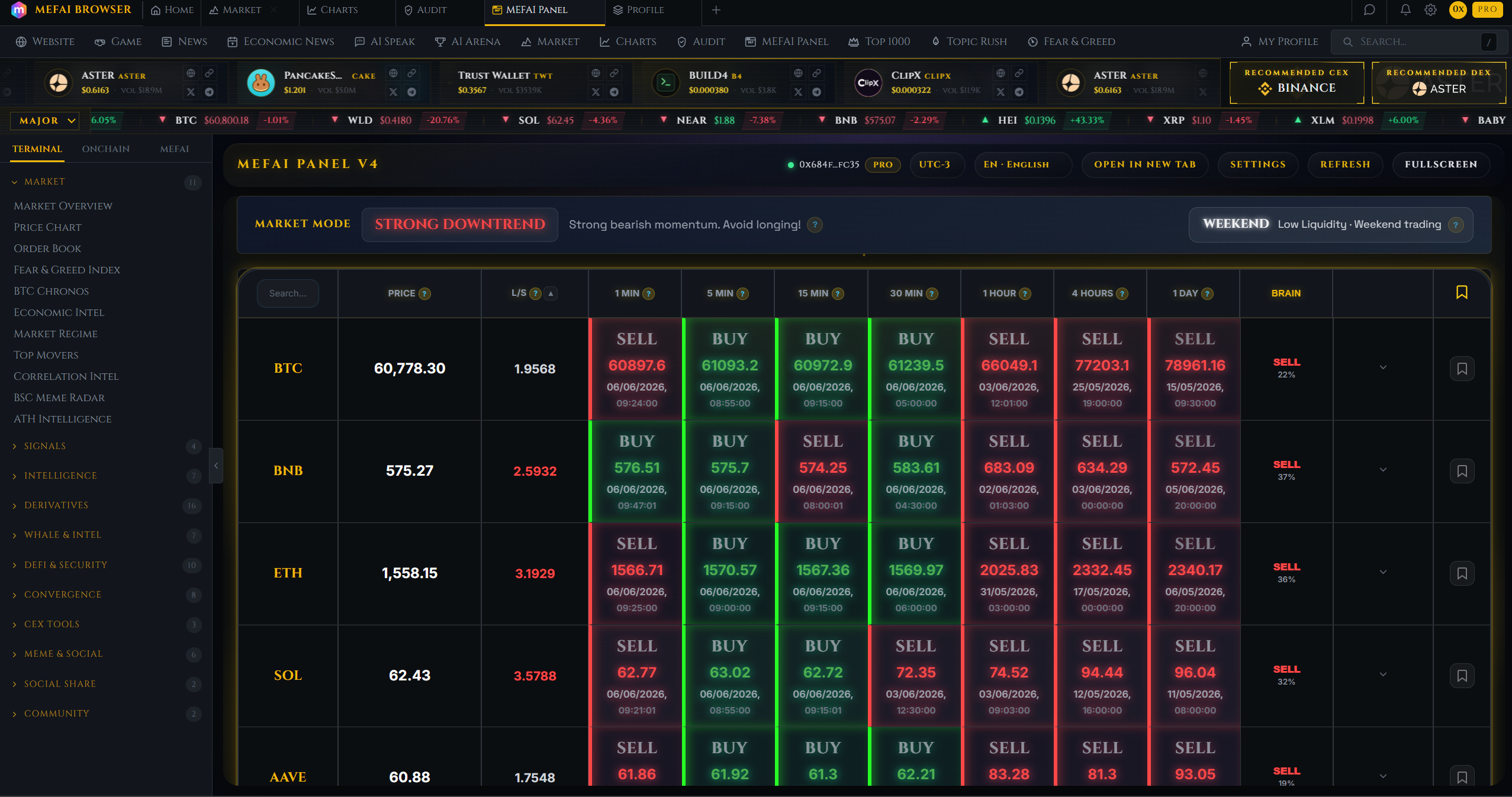
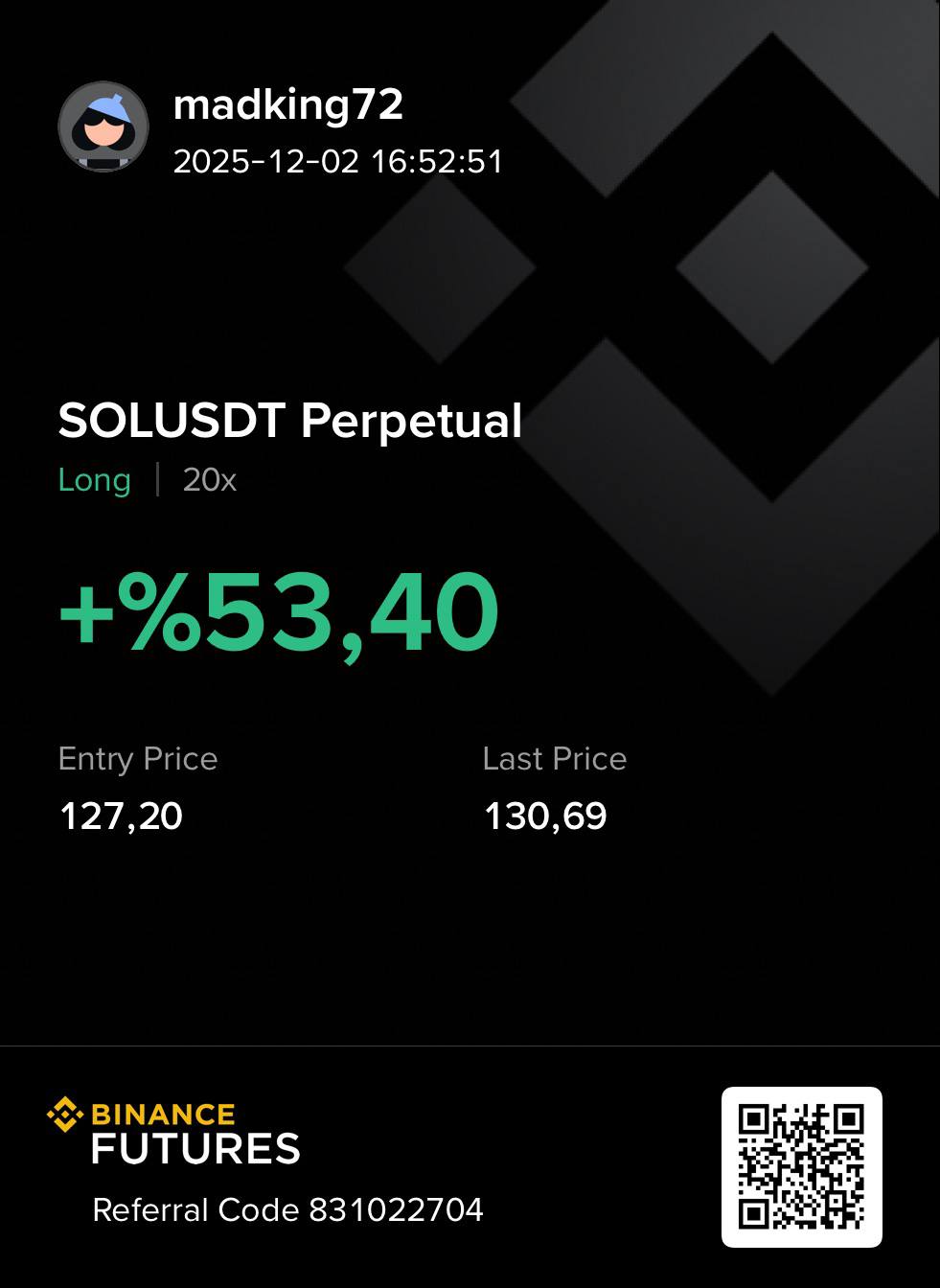
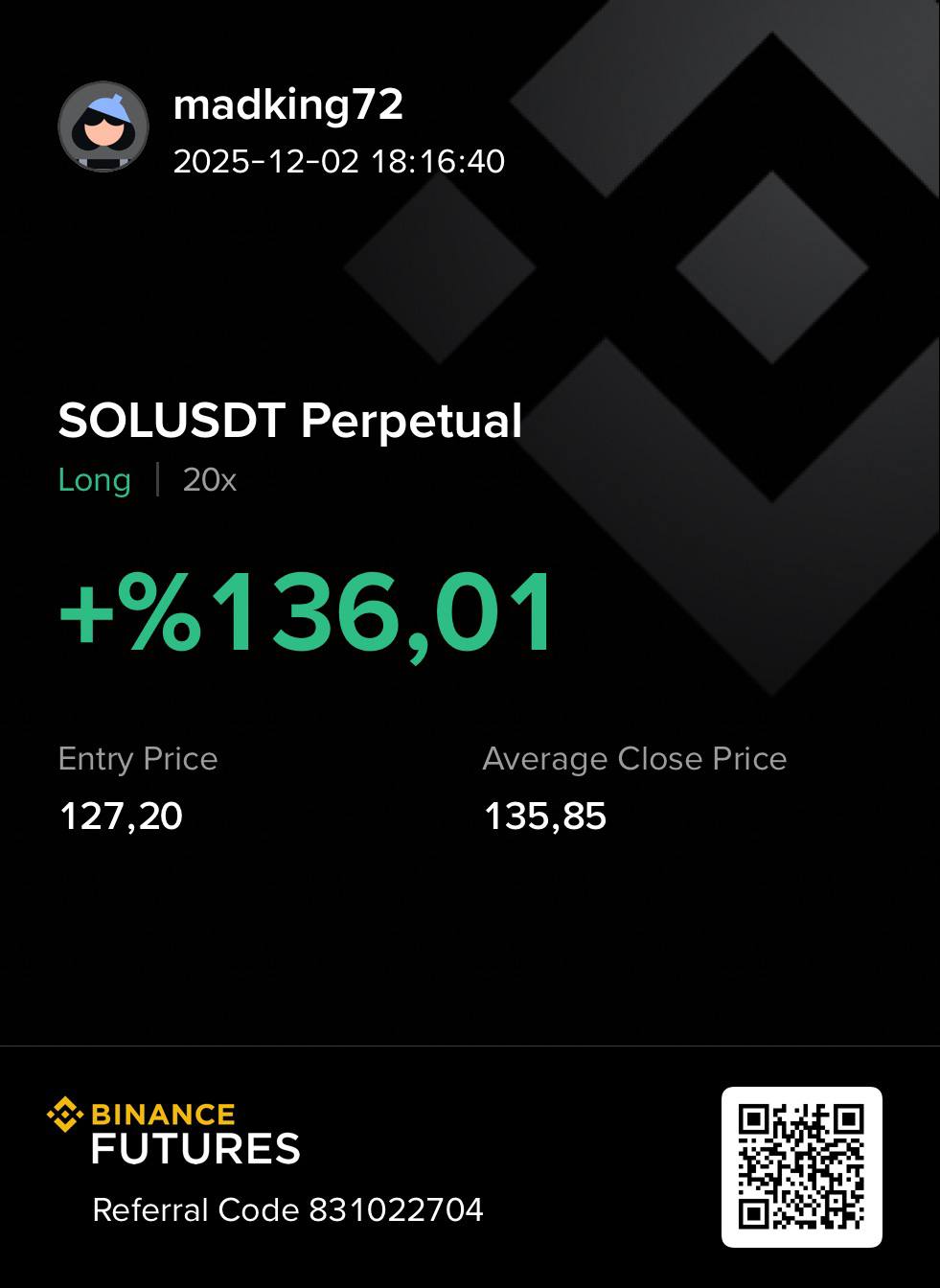
Real results from MEFAI's AI. Get $50 off the Pro plan.
Sponsored · Past performance is not indicative of future results. Not financial advice.


This coverage is not a blanket guarantee but is tied to transactions that have undergone full simulation, threat scanning, and MEV protection. It signals MetaMask’s commitment to accountability and helps differentiate its AI agent wallet from unprotected automation tools. For users considering delegating capital to AI agents, this insurance layer provides a tangible safety net, reducing the perceived risk of handing over operational control.
The program also aligns with broader industry efforts to improve trust in DeFi and self-custody tools. As AI agents become more prevalent in crypto markets, users need assurance that automated decisions won’t lead to irreversible losses. By offering financial backing, MetaMask is positioning itself as a responsible platform for AI-driven finance.
The Rise of AI Agents in Crypto Markets
The launch of the Agent Wallet reflects a broader shift: AI agents are no longer just experimental tools—they are becoming active participants in crypto markets. These agents can analyze market conditions, execute trades, manage liquidity, and optimize yield across multiple protocols, often faster and more consistently than human traders. Platforms like MetaMask are responding by creating infrastructure that supports this new class of market actors while maintaining the core values of decentralization and self-sovereignty.
DeFi protocols are also evolving to accommodate AI agents, with some introducing features like gasless transactions, batch execution, and agent-specific interfaces. As these tools mature, AI agents could handle increasingly complex financial strategies, from arbitrage and hedging to automated market making. The MetaMask Agent Wallet is a step toward making such automation accessible to everyday users, not just institutional or technically advanced traders.
However, the rise of AI agents also introduces new risks. Poorly designed agents could execute harmful trades due to bugs or misconfigurations. Malicious actors could exploit agent behavior to manipulate markets or drain wallets. Regulatory uncertainty around autonomous software in financial markets adds another layer of complexity. MetaMask’s emphasis on security and user control is a direct response to these challenges, aiming to make AI-driven finance safer and more transparent.
Early Access and Future Rollout: What Users Should Expect
The MetaMask Agent Wallet is currently available through a limited early-access program, with a broader rollout planned in the coming months. Participation in early access likely involves onboarding to a waitlist or invitation process, with priority given to developers, power users, and partners interested in testing AI-driven trading. MetaMask has not disclosed specific eligibility criteria, but it is reasonable to expect that early users will need to meet certain security or technical requirements, such as enabling two-factor authentication and completing wallet recovery setup.

During the early phase, users can expect to interact with AI agents in controlled environments, such as simulated trading environments or restricted protocol lists. MetaMask will likely gather feedback on transaction simulation accuracy, threat detection effectiveness, and user experience before expanding access. As the rollout progresses, the wallet may support more protocols, more complex agent behaviors, and deeper integration with third-party AI tools.
For users interested in participating, the key steps will be setting up the Agent Wallet, configuring spending limits and allowlists, and reviewing the security pipeline’s outputs. MetaMask will likely provide documentation and tutorials to help users onboard AI agents safely. Over time, the company may introduce features like agent performance analytics, risk scoring, and customizable security policies, giving users even more control over automated trading.
Practical Takeaways: Who Should Use This and What to Watch
The MetaMask Agent Wallet is aimed at users who want to leverage AI for DeFi trading without sacrificing self-custody or security. It is particularly relevant for those who already use MetaMask, are comfortable with DeFi risks, and are interested in automation. Developers building AI trading agents may find the wallet a useful platform for deploying and testing their strategies in a secure environment. Power users managing multiple wallets or complex portfolios could benefit from automated rebalancing and yield optimization—provided they set appropriate safeguards.
Users should start by familiarizing themselves with the wallet’s security pipeline: how simulation works, what constitutes a flagged transaction, and how two-factor authentication is triggered. It’s important to set conservative spending limits and protocol allowlists initially, then gradually expand permissions as confidence grows. Users should also review the Transaction Protection program details to understand what is and isn’t covered, including exclusions or caps.
Over the next year, watch for broader adoption of AI agents in DeFi, more wallets introducing similar security layers, and potential regulatory guidance on autonomous financial software. Also monitor how protocols adapt to AI agents, including gas fee structures, rate limits, and agent-specific APIs. Finally, keep an eye on insurance programs and security audits from MetaMask and others—these will be critical in determining how safe and reliable AI-driven finance truly is.
In summary, the MetaMask Agent Wallet is a significant step toward integrating AI agents into self-custodial finance without compromising the principles that define crypto. By combining automation with robust security, user control, and financial backing, it offers a balanced approach to the challenges and opportunities of AI-driven trading. As this technology evolves, it could redefine how individuals interact with decentralized markets—making finance faster, smarter, and safer, but only if built on a foundation of trust and transparency.
More in Artificial Intelligence

Crypto Recovery on Shaky Ground as Major Tech IPOs Threaten Liquidity Drain
Bitcoin's rebound above $63,000 faces headwinds from accelerating ETF outflows, subdued trading volumes, and looming liquidity drain from massive SpaceX and Anthropic IPOs.

The AI Coding-Assistant Race Heats Up: What the New Moves Mean for Developers
In June 2026 the AI coding-assistant market shifted with new enterprise moves from OpenAI, Google and Microsoft while Anthropic’s Claude Code leads—here’s what developers should watch next.

How AI is reshaping sports tech and shaping the next wave of super apps
FIFA’s new World Cup ball uses AI-informed aerodynamics to create more predictable flight paths, while OpenAI’s plans to turn ChatGPT into a ‘super app’ signal a shift toward AI agents that could chan