Best Crypto Exchange 2026: The Definitive Buyer's Guide to Where to Trade
By Mag-Info Tech editorial · 2026-06-07
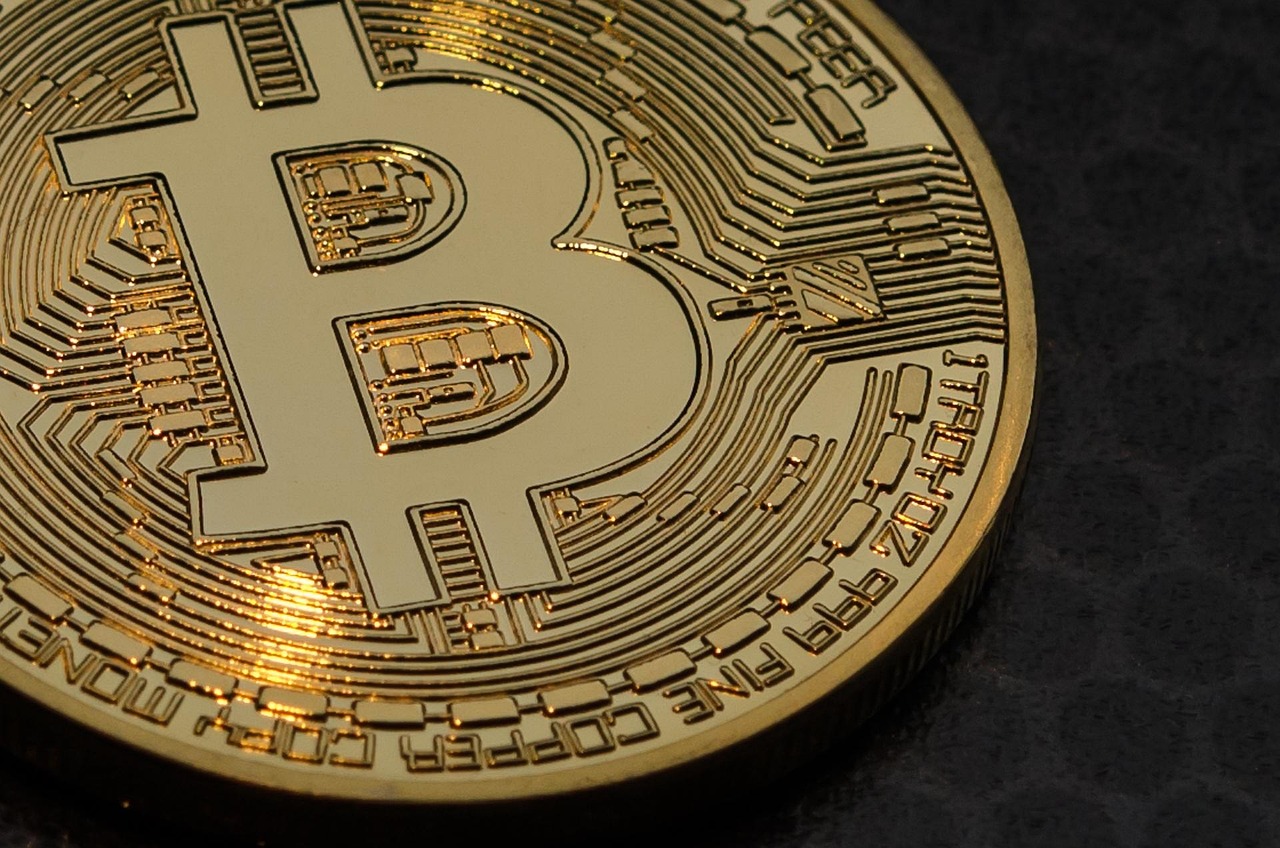
The world of cryptocurrency exchanges has matured from a niche playground for tech enthusiasts into a complex financial ecosystem with options for every type of user. Selecting the right platform is the single most important decision you'll make on your crypto journey, as it dictates your security, costs, available assets, and overall experience. A "best" exchange for a day trader is useless to a long-term investor, and a platform perfect for a beginner may be frustratingly limited for a DeFi power user. This guide cuts through the noise, evaluating the leading options for 2026 based on enduring principles rather than fleeting trends, so you can make a confident, informed choice.
Core Selection Criteria: What Truly Matters in an Exchange
Before comparing specific platforms, it's essential to establish the non-negotiable criteria for evaluation. First and foremost is security and trust. This encompasses an exchange's track record, the measures it employs (like two-factor authentication, cold storage for assets, and insurance funds), and its regulatory standing. An exchange with a long history, transparent leadership, and clear compliance with financial regulations in major jurisdictions provides the most critical foundation for safeguarding your capital. Never prioritize low fees or exotic coin listings over robust, proven security.
Next are fees and liquidity. Fees are a direct hit to your returns and include trading fees (often a percentage of the trade value), withdrawal fees, and sometimes deposit fees. A platform with deep liquidity—meaning there is substantial buying and selling volume for your desired crypto pair—will offer better prices and less slippage, which is the difference between your expected price and the execution price. High liquidity is a hallmark of major exchanges. Finally, consider supported cryptocurrencies and services. Does the platform offer the specific coins you want to buy? Does it provide additional services like staking, futures trading, a crypto wallet, or a user-friendly mobile app? The best exchange aligns with your current needs while offering room to grow.
The Titans of Centralized Exchanges (CEXs)
Centralized exchanges (CEXs) are the on-ramps and off-ramps for the vast majority of crypto users. They are operated by companies, hold user funds in custody, and typically offer intuitive interfaces and direct fiat currency (like USD, EUR) support. They are the most straightforward place to begin.
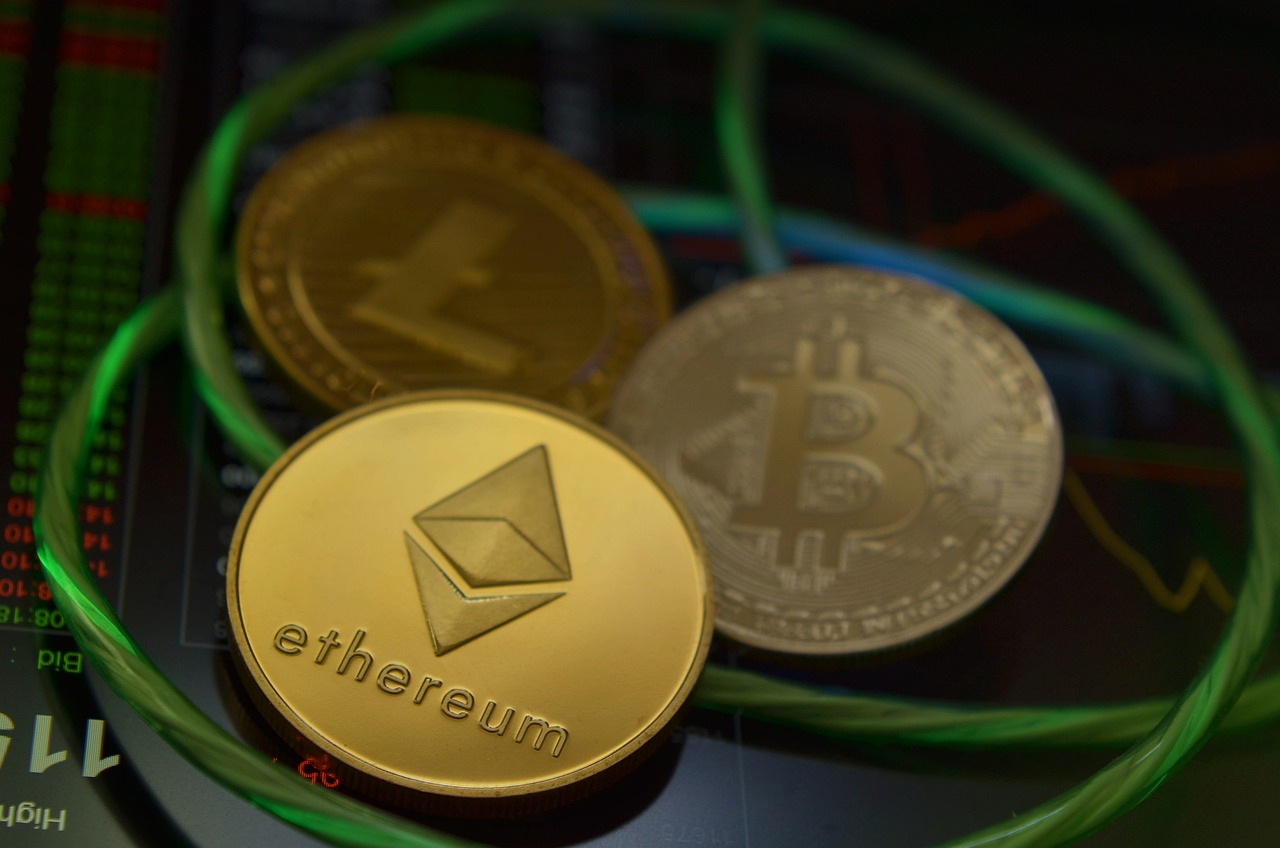
Binance consistently stands out as the exchange with the highest trading volume and the broadest selection of cryptocurrencies and trading pairs. It is an ecosystem unto itself, offering everything from spot and futures trading to a dedicated launchpad for new tokens and its own blockchain. Its strength lies in its comprehensive feature set and deep liquidity. However, this complexity can be overwhelming for beginners. Binance is best suited for intermediate to advanced traders who want a vast array of tools, pairs, and lower trading fees, and who are comfortable navigating a feature-dense platform. Its regulatory journey has varied by region, so availability and specific services depend heavily on your location.
Coinbase has built its reputation on simplicity, security, and regulatory compliance, particularly in the United States. It offers a clean, straightforward interface ideal for first-time buyers and provides strong insurance on its holdings. While its fee structure can be higher than competitors, especially for simple instant buys, its "Advanced Trade" platform offers more competitive, volume-based pricing. Coinbase is the go-to for beginners and security-conscious users in supported regions who prioritize ease of use, reliable customer support, and a trusted brand over having the absolute lowest fees or the most obscure altcoins.
User-Centric and Cost-Focused Alternatives
Not every user needs or wants the full complexity of a titan like Binance. Several exchanges have carved out niches by focusing on specific user experiences or cost structures.
Kraken is often lauded for its robust security record, transparent operations, and strong support for advanced features like margin and futures trading. It has a long history in the crypto space and is known for its comprehensive educational resources, making it a strong choice for serious investors and intermediate traders who value a reputable platform with advanced tools and clear communication. Kraken’s fee schedule is also competitive, especially for higher-volume traders, striking a balance between the premium feel of Coinbase and the cost-efficiency of Binance.
For the fee-conscious trader, exchanges like Crypto.com and OKX offer compelling value. Crypto.com provides a vast ecosystem, including a popular crypto debit card, its own token (CRO) for fee discounts, and a wide range of services. It appeals to users who want an all-in-one platform for spending, earning, and trading crypto. OKX, similarly, offers a powerful trading platform with a wide array of derivatives and its own Web3 wallet, catering to traders who want deep functionality and competitive rates. Both are solid for cost-aware users who also want a broad feature set beyond simple spot trading.
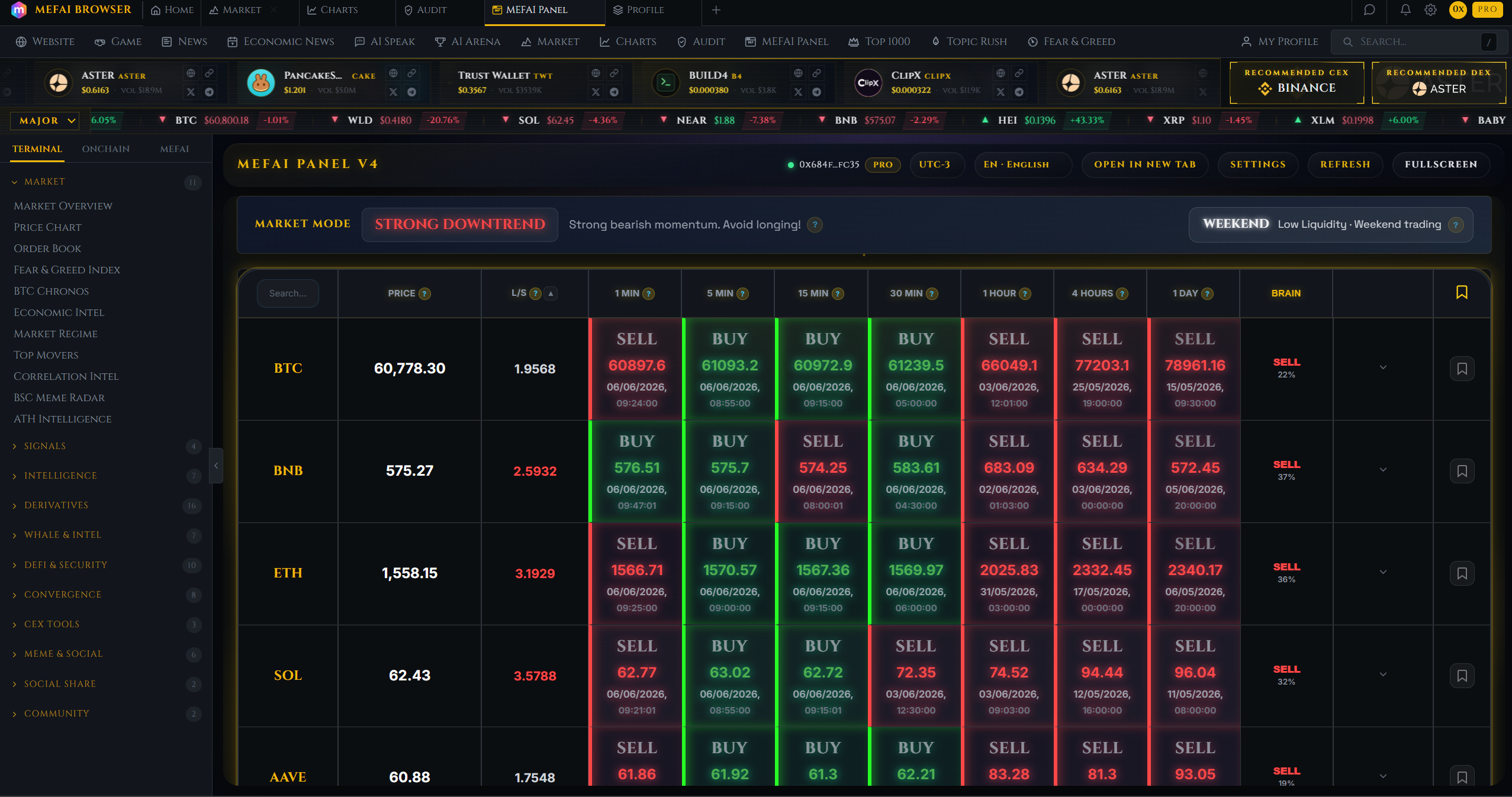
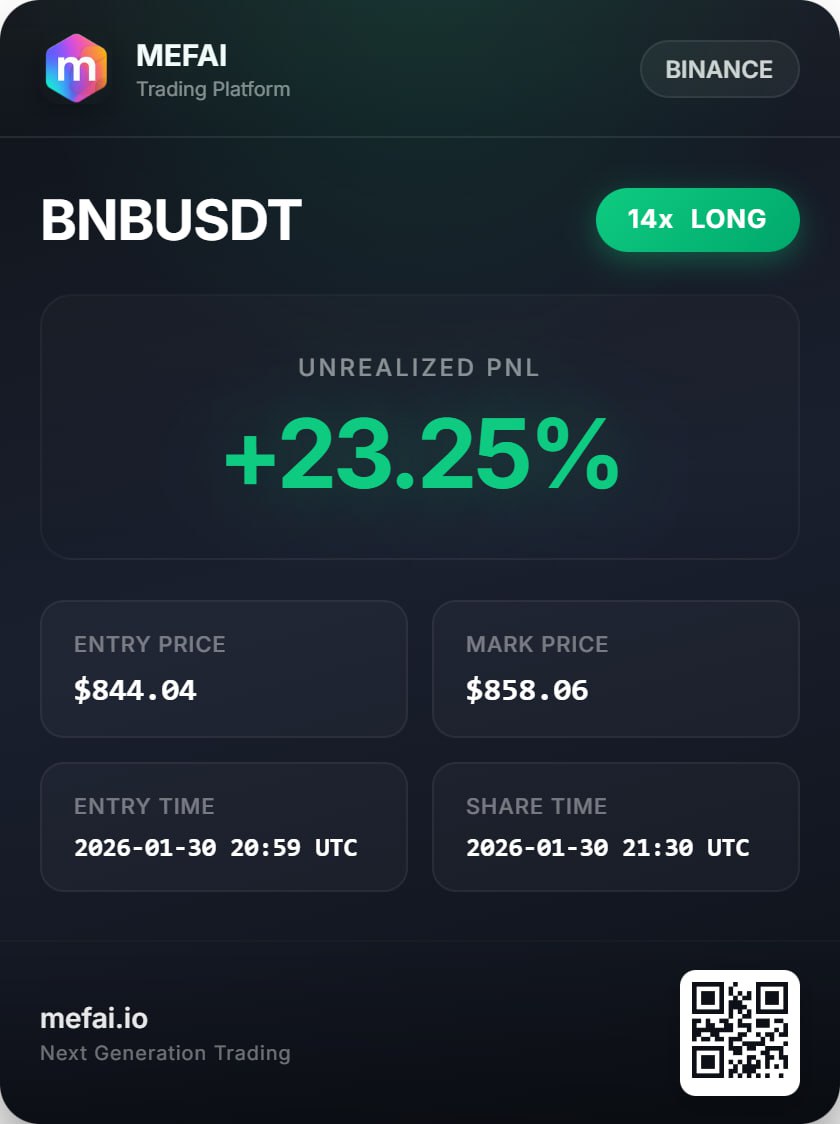
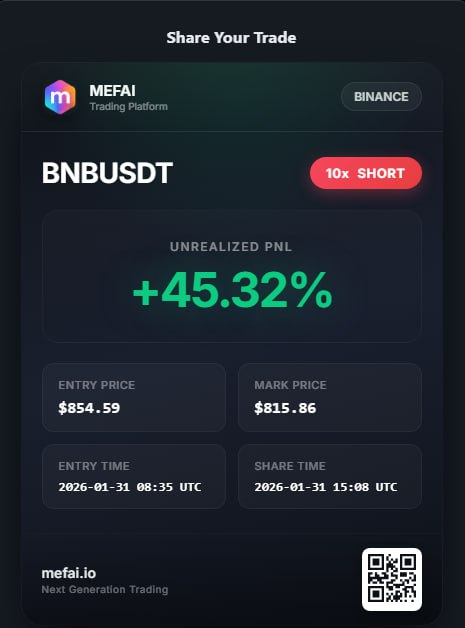
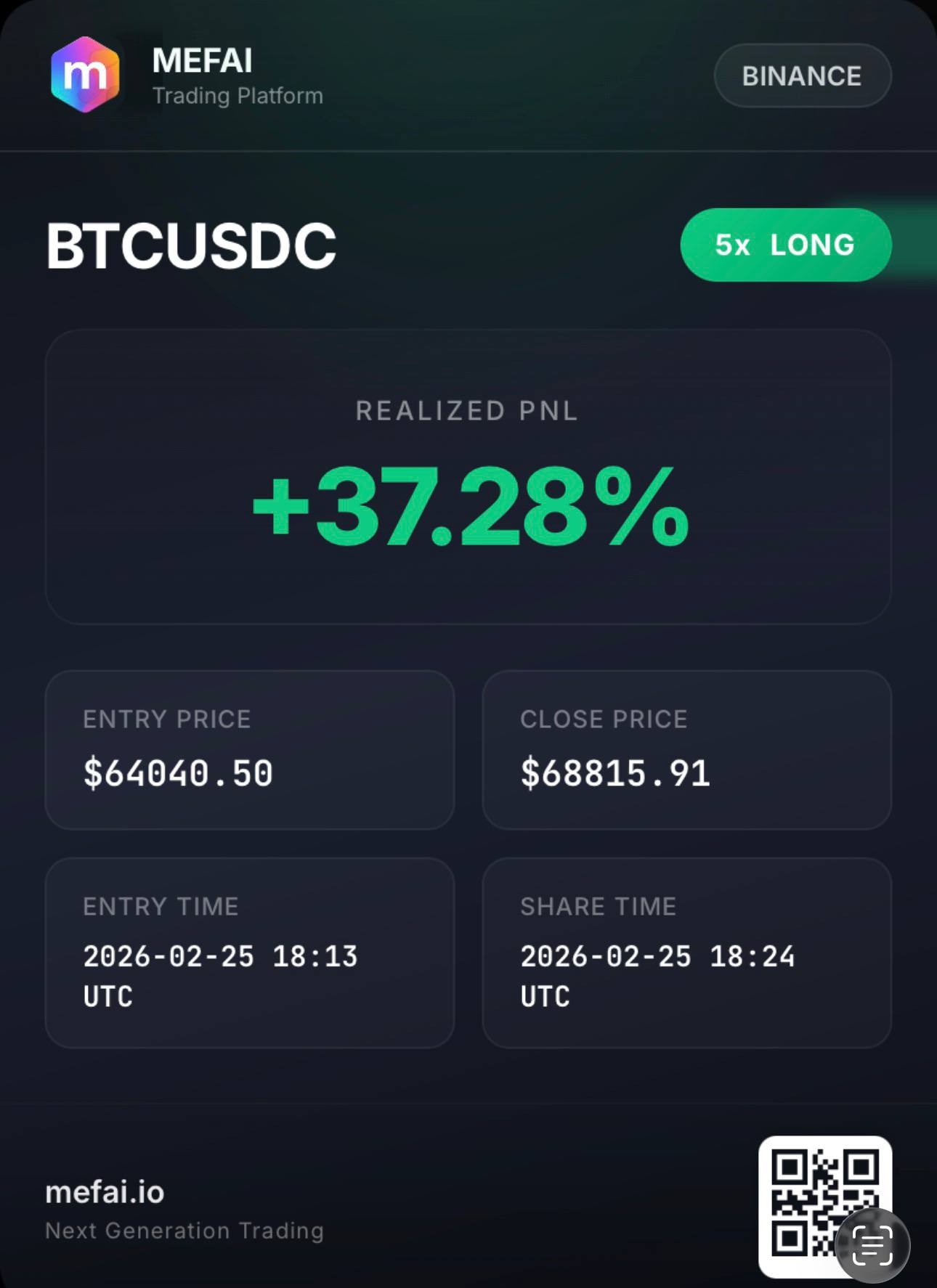
Real results from MEFAI's AI. Get $50 off the Pro plan.
Sponsored · Past performance is not indicative of future results. Not financial advice.

Decentralized Exchanges (DEXs): The Self-Custody Alternative
Decentralized exchanges represent the philosophical core of crypto: peer-to-peer trading without a central intermediary. On a DEX, you trade directly from your own non-custodial wallet (like MetaMask), and you retain control of your private keys at all times. There is no account to open, and no personal information is required.
Uniswap (on Ethereum and other chains) and PancakeSwap (on BNB Chain) are the most prominent examples. They excel at providing access to a vast, often early-stage universe of tokens, including new projects that haven't been listed on CEXs. DEXs are indispensable for DeFi enthusiasts, users prioritizing absolute self-custody, and traders seeking the newest tokens. The trade-off is significant: there is no customer support if you make a mistake (like sending to the wrong address), you are responsible for network "gas" fees (which can be high on Ethereum), and the interface can be less intuitive. Slippage can also be higher on less liquid pairs.
The Role of Fiat Gateways and Niche Platforms
Your journey into crypto almost always starts with exchanging fiat currency. While major CEXs are primary gateways, some platforms specialize in making this on-ramp as smooth as possible. MoonPay and Transak are not exchanges in the traditional sense but are services integrated into many wallets and apps. They allow you to buy crypto with a credit or debit card directly into your self-custody wallet. This is incredibly convenient for users who want to purchase crypto and immediately hold it themselves without the intermediary step of an exchange account.
Furthermore, Robinhood and PayPal have entered the space, offering very simple interfaces for buying and selling a limited selection of major cryptocurrencies. They are best for absolute beginners already within their ecosystems who want a seamless, familiar experience for small-scale, long-term holdings. However, you typically cannot transfer crypto off these platforms (or face significant limitations), which is a major drawback for anyone looking to explore DeFi, use crypto for payments, or take full ownership of their assets.
Common Mistakes to Avoid When Choosing an Exchange
One of the most frequent errors is chasing the absolute lowest trading fees without considering the full picture. An exchange with a 0.1% fee but terrible liquidity can cost you more in slippage than a 0.2% fee on a liquid platform. Another critical mistake is neglecting withdrawal fees and minimums. If you plan to move your crypto to a personal wallet, high withdrawal fees can erode your holdings over time.
Falling for the "not your keys, not your coins" afterthought is a major pitfall. Many users keep all their crypto on an exchange indefinitely, treating it like a bank. Remember, any asset on a centralized exchange is an IOU. For long-term holdings of significant value, withdrawing to a personal hardware wallet is the gold standard for security. Finally, ignoring regional availability and regulatory status can lead to account freezes or loss of functionality. Always verify that an exchange is fully licensed and compliant in your country of residence before depositing funds.
Verdict: Matching the Exchange to Your Profile
There is no single "best" crypto exchange for everyone. Your optimal choice is a function of your personal profile. If you are a beginner in the US or Europe prioritizing simplicity and trust, Coinbase is the archetypal starting point. If you are an intermediate trader seeking the lowest fees, deepest liquidity, and widest asset selection, Binance is likely your primary platform. For the security-focused investor who wants advanced tools and a sterling reputation, Kraken deserves serious consideration.
If your priority is absolute control over your assets and access to the cutting edge of DeFi, you must learn to use a DEX like Uniswap via a self-custody wallet. For those already embedded in a financial app ecosystem and wanting the simplest possible buy-in for major coins, Robinhood or PayPal may suffice. Ultimately, the best approach for many is a combination: use a user-friendly CEX like Coinbase or Kraken as your secure, fiat-connected hub, and pair it with a hardware wallet for long-term storage and a DEX for exploring decentralized opportunities. By clearly defining your needs against the criteria outlined here, you can navigate the 2026 exchange landscape with confidence.
More in Crypto & Trading
Crypto Money Meets British Politics: The Nigel Farage Tether Gift Scandal Explained
Reform UK's Nigel Farage faces scrutiny over a £5M gift from Tether billionaire Christopher Harborne, raising questions about crypto money in politics and UK regulatory transparency.
South Korea’s Crypto Crackdown: How a Political Nepotism Probe Is Reshaping Exchanges and Regulation
A South Korean lawmaker’s alleged influence over his son’s hiring at crypto exchanges has triggered police raids and a wider probe into hiring practices at Bithumb and Upbit, signaling tougher scrutin
Bitcoin and Ether Suffer Worst Weekly Rout Since FTX Collapse as Crypto Shed $390 Billion
Bitcoin and ether posted their steepest weekly losses since the November 2022 FTX collapse, wiping out roughly $390 billion in crypto market value and triggering nearly $7 billion in leveraged liquida