ASML Employees Protest Musk’s Conference Invite: What It Means for Tech’s Political Divide
By Mag-Info Tech editorial · 2026-06-08
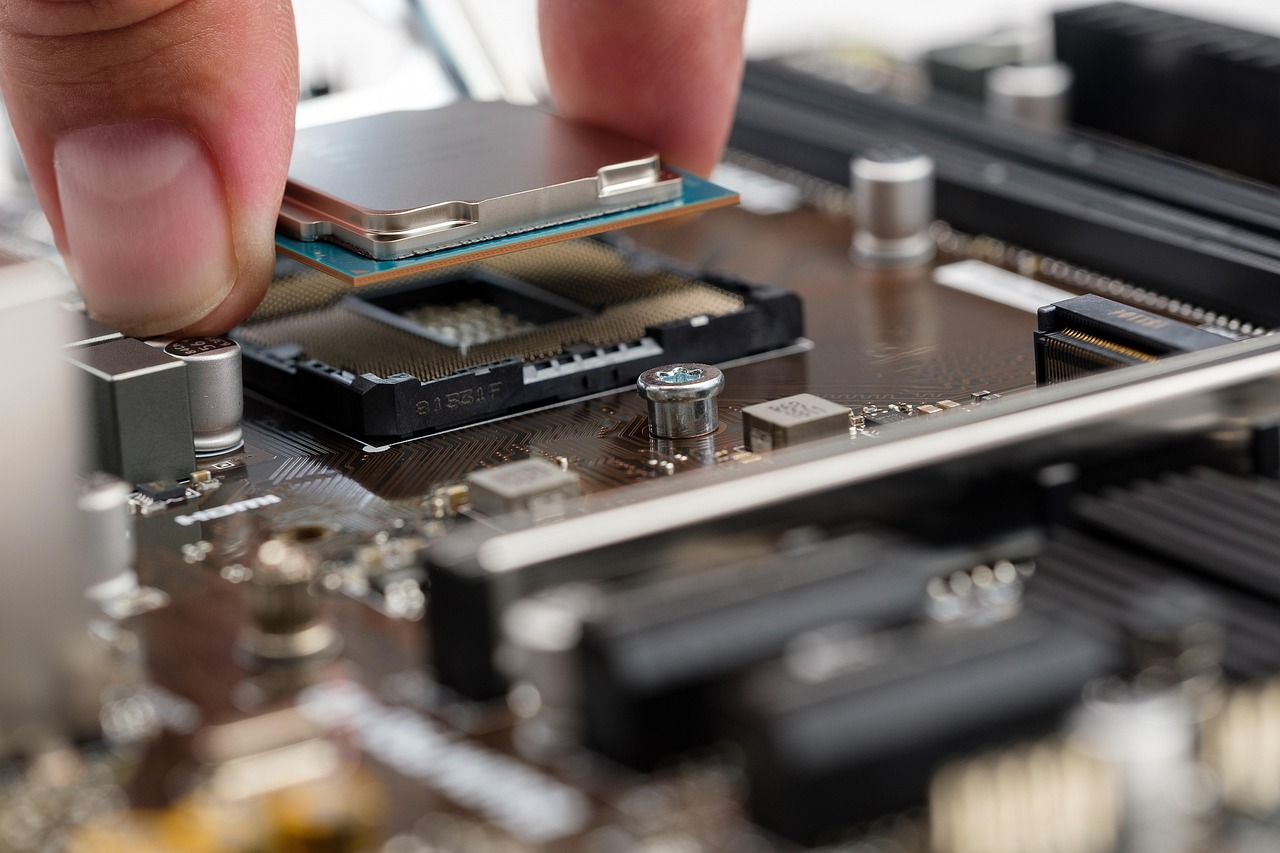
A small but vocal faction within ASML, the Dutch semiconductor equipment giant, is pushing back against an invitation for Elon Musk to speak at the company’s closed annual conference. The protest underscores a growing friction point in corporate tech culture: how much political affiliation—or perceived affiliation—should be tolerated in professional settings. While ASML has not canceled the invitation, the internal dissent signals broader unease among engineers about aligning corporate platforms with figures whose public statements have sparked controversy.
This isn’t just about one speaker or one company. It reflects a deeper shift in the tech workforce, where engineers—especially in hardware and systems engineering—are increasingly aligning their values with their work. For a company like ASML, which builds machines essential to global semiconductor supply chains, the optics of hosting a polarizing public figure risk eroding trust among employees, customers, and even regulators. The episode raises a critical question: when does corporate hospitality become political endorsement, and what does that mean for a workforce that values neutrality—or at least consistency—in corporate behavior?
The Roots of the Protest: Why ASML Engineers Are Objecting
The backlash stems from concerns about Musk’s public statements and associations, which some employees view as incompatible with ASML’s stated values of neutrality and ethical responsibility. While ASML has not publicly detailed the objections, reports indicate that the dissenting group—reportedly a coalition of engineers and technical staff—has raised concerns about comments and associations linked to Musk that they believe undermine inclusivity and professional integrity. These concerns are not isolated to ASML; similar debates have surfaced at other tech firms when high-profile figures with polarizing public personas are invited to internal events.
What makes this case notable is the source of the protest: engineers at the heart of semiconductor innovation. ASML’s workforce includes many professionals who work on extreme ultraviolet (EUV) lithography systems, machines that are critical to producing the most advanced chips in the world. These engineers often hold advanced degrees in physics, engineering, and computer science, and they tend to be highly sensitive to issues of scientific integrity and ethical governance. Their objection to Musk’s invitation suggests a belief that corporate platforms should not be used to legitimize figures whose public behavior they view as antithetical to professional ethics.
This is not merely a cultural debate—it has practical implications. ASML operates in a highly regulated and geopolitically sensitive industry. The company’s machines are subject to export controls and national security scrutiny. When employees publicly challenge the company’s choices about who speaks at internal events, it signals internal misalignment that could affect morale, recruitment, and even regulatory perception. For a firm that prides itself on precision and neutrality in its technology, inconsistency in messaging—even in internal forums—can ripple outward.
The Role of Internal Conferences in Corporate Culture
ASML’s annual internal conference is typically a closed-door event focused on technical innovation, product roadmaps, and collaboration among global teams. These gatherings are designed to foster knowledge sharing, celebrate engineering milestones, and align teams across continents. They are not public relations spectacles or policy forums. Inviting a high-profile external speaker—especially one as polarizing as Musk—is unusual and, in this case, contentious.
Internal conferences serve a dual purpose: they reinforce corporate identity and provide a space for unfiltered technical discussion. When a figure like Musk is invited, the event risks shifting from a technical forum to a cultural moment. That shift can alienate parts of the workforce that do not share the speaker’s public views, particularly in a global company with diverse cultural backgrounds. Engineers in the Netherlands, Taiwan, or South Korea may have different perspectives on what is acceptable in a professional setting, and ASML’s leadership must navigate those differences carefully.
Moreover, internal conferences are often used to signal corporate priorities. If ASML chooses to host Musk, it may be interpreted as an endorsement of his public persona or business practices—even if unintended. Conversely, canceling the invitation could be seen as caving to pressure, which may embolden future activist campaigns within the company. For ASML, a firm deeply embedded in the global chip ecosystem, the stakes are high: any misstep in balancing internal culture with external perception could affect talent retention, investor confidence, and customer trust.

The Broader Trend: Tech Workers Taking a Stand
This protest is part of a growing trend where tech employees—especially engineers and developers—are publicly challenging corporate decisions that conflict with their personal or professional values. From walkouts over AI ethics to petitions against military contracts, the modern tech workforce is increasingly willing to use collective action to influence corporate behavior. This shift reflects a broader cultural evolution in which professionals, particularly in STEM fields, see their work as inherently tied to societal impact.
ASML’s situation highlights a unique dynamic: the engineers involved are not protesting a product or a policy directly tied to their work. Instead, they are objecting to the symbolic meaning of hosting a particular speaker. This suggests that for many in tech, the act of association—even at an internal event—carries weight. It signals alignment, endorsement, or at least tolerance of values that employees find objectionable. In industries like semiconductor manufacturing, where precision and neutrality are core to the brand, such symbolic actions can undermine trust in the company’s commitment to those very values.
This trend also reflects the increasing politicization of technology itself. Topics like AI governance, chip export controls, and data privacy are no longer purely technical—they are deeply political. As a result, employees are more likely to scrutinize the public personas of corporate partners, speakers, and even investors. For ASML, a company that relies on international cooperation and regulatory approval, this politicization presents a strategic challenge. How can it maintain a neutral facade while operating in a geopolitically charged industry?
What ASML Faces Now: Legal, PR, and Operational Risks
ASML has confirmed the invitation but not the protest, leaving open questions about how it will respond. If the company proceeds with Musk’s appearance, it risks alienating a segment of its workforce and potentially triggering further internal dissent or even coordinated absences. If it cancels, it may face criticism for caving to pressure, which could embolden future activist campaigns or damage its reputation as a neutral technology provider.
Legally, ASML is likely protected in its decision, as internal conferences are private events and speaker invitations fall under corporate discretion. However, the optics of either choice could have real-world consequences. For instance, if key engineers choose to boycott the event, it could disrupt the conference’s agenda and send a signal to customers and partners about internal instability. In an industry where trust and reliability are paramount, such signals can be damaging.
Publicly, ASML must balance transparency with discretion. Acknowledging the protest without revealing internal details could help maintain a perception of control, while ignoring it entirely might fuel speculation and erode employee morale. The company’s response will be closely watched by peers in the semiconductor and tech sectors, many of which are grappling with similar questions about internal culture and external associations.
Operationally, the episode underscores the need for clearer corporate guidelines around external engagements at internal events. Companies in tech, especially those with global workforces, should consider establishing formal policies that define acceptable speaker criteria and the process for addressing employee concerns. Such policies can help prevent ad-hoc controversies and provide a framework for navigating sensitive decisions.
Real results from MEFAI's AI. Get $50 off the Pro plan.
Sponsored · Past performance is not indicative of future results. Not financial advice.


The Musk Factor: Why His Presence Matters More Than Ever
Elon Musk’s public persona is a lightning rod for debate, and his invitation to ASML’s conference is not happening in a vacuum. His companies—SpaceX, Tesla, X (formerly Twitter), and xAI—are deeply embedded in the tech landscape, and his public statements often dominate headlines. Whether it’s his management style, his political commentary, or his business practices, Musk’s figure polarizes opinions across the tech ecosystem.
For ASML, inviting Musk may be an attempt to engage with a key player in adjacent industries—particularly space and automotive, where Musk’s companies operate. However, the optics of hosting him at a semiconductor-focused event are complicated. ASML’s customers include chipmakers like TSMC, Samsung, and Intel, all of which have their own public-facing values and political sensitivities. If any of these customers object to Musk’s presence, it could strain business relationships or even lead to public disputes.
Moreover, Musk’s companies have faced scrutiny over labor practices, workplace culture, and ethical concerns. For engineers at ASML—many of whom are deeply invested in ethical and inclusive workplaces—the association with Musk’s public behavior may feel like a contradiction. This is especially true in Europe, where labor protections and workplace rights are highly valued, and where ASML is headquartered. The protest suggests that at least some employees view Musk’s presence as incompatible with ASML’s corporate identity.
What This Means for Other Tech Firms
ASML’s situation is a case study for other companies in the tech ecosystem, particularly those in hardware, semiconductors, and infrastructure. As tech workers become more vocal about corporate values, firms must consider how their choices—even seemingly minor ones like speaker invitations—can ripple through their workforce and beyond.
For companies that rely on global talent, the lesson is clear: internal events are not neutral. They are cultural touchpoints that can reinforce or undermine a company’s values. Firms should proactively define what kinds of external figures align with their corporate identity and establish transparent processes for addressing employee concerns. This is not about censorship, but about clarity: employees should know what to expect and why.
For investors and customers, the episode is a reminder that corporate culture is a tangible asset. A company’s ability to manage internal dissent and maintain a cohesive workforce is directly tied to its long-term performance. If ASML’s leadership mishandles this situation, it could face talent flight, reputational damage, or even regulatory scrutiny—particularly in Europe, where labor laws and corporate governance are closely monitored.
Practical Takeaways for Tech Leaders and Employees
For tech executives, the key takeaway is to anticipate and prepare for these moments. Internal events should not be treated as afterthoughts. Instead, they should be planned with cultural and ethical considerations in mind. Establishing a cross-functional review committee—including HR, legal, communications, and employee resource groups—can help assess potential risks before invitations are extended.
For employees, the takeaway is that collective action can work. While individual voices may go unheard, organized dissent can influence corporate decisions. However, employees should also consider the broader implications of their actions. Boycotting an internal event may send a strong message, but it could also disrupt collaboration and harm career prospects. The goal should be to drive meaningful change, not just make a statement.
For both sides, the episode underscores the need for open dialogue. Companies should create safe channels for employees to express concerns about corporate decisions, while employees should engage constructively rather than resorting to ultimatums. The best outcomes arise from collaboration, not confrontation.
The Road Ahead: What to Watch Next
ASML has not yet announced a final decision on Musk’s invitation, and the company’s response will set a precedent for how it handles internal dissent moving forward. If the company proceeds with the event as planned, watch for signs of internal fallout—such as reduced participation or public statements from employees. If it cancels or modifies the invitation, observe whether other tech firms follow suit in reevaluating their own speaker policies.
Another key development to monitor is whether this protest inspires similar actions at other companies. If ASML employees succeed in influencing corporate policy, it could embolden engineers and developers at firms like ASML’s peers—TSMC, Applied Materials, or Lam Research—to challenge invitations or partnerships that they view as ethically compromised.
Finally, watch for regulatory or customer reactions. If ASML’s customers or partners express discomfort with the situation, it could lead to indirect pressure on the company to reconsider its approach. In an industry as interconnected as semiconductors, even internal controversies can have external consequences.
Conclusion
The protest by ASML employees over Elon Musk’s conference invitation is more than a passing controversy—it’s a symptom of a deeper transformation in the tech industry. As hardware engineers and systems designers increasingly see their work as intertwined with societal values, they are demanding that their employers reflect those values in every aspect of corporate life, including internal events. For ASML, a company at the heart of the global chip supply chain, this moment is a test of its ability to balance innovation with integrity.
How the company responds will send a message not just to its workforce, but to the entire tech ecosystem. In an era where technology is inseparable from politics, neutrality is no longer an option—it must be actively cultivated. For ASML and its peers, the challenge is clear: align corporate actions with corporate values, or risk losing the trust of the very people who build the future.
More in Hardware & Gadgets
ExpressVPN Advanced Drops to $83.72 for 28 Months: Why This 78% Discount Matters for Your Digital Privacy
Save over $300 on a 28-month ExpressVPN Advanced subscription that supports 12 simultaneous connections and includes advanced web protection tools for just $83.72 total.

The Definitive Laptop Buyer's Guide for 2026: Navigating Work, AI, and Gaming
Your 2026 guide to choosing the best laptop for productivity, AI development, or gaming. We cut through the hype to match top-tier models like Dell XPS, MacBook Pro, Framework 16, and Razer Blade to y
Best GPU for AI: The 2026 Definitive Buying Guide
Choosing the best GPU for AI in 2026 requires matching hardware to your specific software, budget, and performance needs. This guide compares leading NVIDIA, AMD, and Intel options, from consumer card