Best Crypto Courses: Your Definitive 2026 Buying Guide to Learning Blockchain & Trading
By Mag-Info Tech editorial · 2026-06-07

Navigating the world of cryptocurrency education can feel as volatile as the market itself. With a deluge of courses promising mastery over Bitcoin, blockchain, and trading strategies, the challenge isn't finding options—it's finding the right one. A poorly chosen course can waste your time and money, leaving you with outdated theory or dangerously simplistic trading advice. In 2026, as the crypto landscape matures with deeper integration into finance, tech, and regulation, choosing a structured, reputable learning path is more critical than ever. This guide cuts through the noise to evaluate the leading educational platforms, define what makes a course valuable, and help you select a program that aligns perfectly with your goals, whether you're a complete novice, an aspiring developer, or a trader refining your edge.
Understanding the Crypto Education Landscape: Beyond the Hype
The first step in choosing a crypto course is recognizing that "crypto" is not a monolith. The field has branched into distinct specializations, and the best courses now cater specifically to these paths. Broadly, you'll find courses focused on foundational blockchain technology, practical cryptocurrency trading and investing, and decentralized application (dApp) development. A course aimed at a developer learning Solidity for Ethereum smart contracts is fundamentally different from one teaching technical analysis for day trading Bitcoin. Lumping them together is a common mistake. Therefore, your primary selection criterion must be clarity of purpose. Ask yourself: Do I want to understand the underlying technology to participate in its future build? Do I want to develop skills for investing or trading digital assets? Or do I want to build the next wave of decentralized applications?
This specialization has led to a stratification in the market. Some platforms, like established online learning hubs, offer a broad catalog that includes crypto-specific courses from reputable universities or industry experts. Other providers are crypto-native, born from within the ecosystem, offering deep dives into trading psychology, advanced on-chain analysis, or specific blockchain protocols. Finally, there are intensive bootcamps designed to rapidly upskill professionals for careers in blockchain development. Understanding where a course sits in this ecosystem is key. A university-affiliated course on a major platform might excel in teaching cryptographic principles with academic rigor, while a crypto-native platform might provide more current, practical insights on market sentiment tools and DeFi yield strategies. Your choice should match your need for theoretical depth versus immediate practical application.
Key Selection Criteria: What Separates a Great Course from a Scam
When evaluating any crypto course, credibility of the instructors and the platform itself is the non-negotiable foundation. Look for courses taught by individuals with verifiable experience—this could be public figures in the blockchain space, seasoned developers with open-source contributions, or financial professionals with a background in markets, not just social media influencers. A reputable platform will transparently showcase instructor biographies and their real-world involvement in crypto. Be wary of any course that leans heavily on anonymous personas or guarantees specific financial returns. Furthermore, check if the course content is regularly updated. The crypto world moves fast; a course teaching only 2021-era DeFi concepts in 2026 will be of limited use. Look for signs of recent content updates or a commitment to covering evolving topics like new regulatory frameworks, layer-2 scaling solutions, or emerging blockchain ecosystems.

Beyond credibility, the structure and pedagogy of the course are vital for actual learning. Does the course offer just passive video lectures, or does it incorporate hands-on projects? For developers, this means coding challenges and building sample dApps. For traders, it might involve simulated trading environments or portfolio backtesting exercises. Interactive elements, quizzes, and access to a community forum or Discord channel for peer support and instructor Q&A can dramatically increase retention and practical skill. Consider the format that fits your lifestyle: self-paced courses offer flexibility, while cohort-based programs provide structure and networking opportunities. Finally, evaluate the tangible outcomes. Does the course offer a recognized certificate upon completion? More importantly, does the curriculum build toward a demonstrable skill, like deploying a smart contract on a testnet or developing a personal trading journal system?
Top-Tier Platforms: A Tiered Recommendation for Every Learner
For beginners seeking a broad, trustworthy introduction, platforms like Coursera and edX are excellent starting points. They host courses from accredited universities and established institutions, such as the "Blockchain Basics" course from the University at Buffalo. The strength here lies in structured, peer-reviewed content that explains fundamental concepts—cryptography, distributed ledgers, consensus mechanisms—with academic clarity. These are often audit-friendly, allowing you to access core material for free, with a paid option for graded assignments and a certificate. They are ideal for individuals who want a solid theoretical foundation without the pressure of trading or development. The community is global but less specialized, making it perfect for the curious learner or professional exploring blockchain's potential impact on their industry.
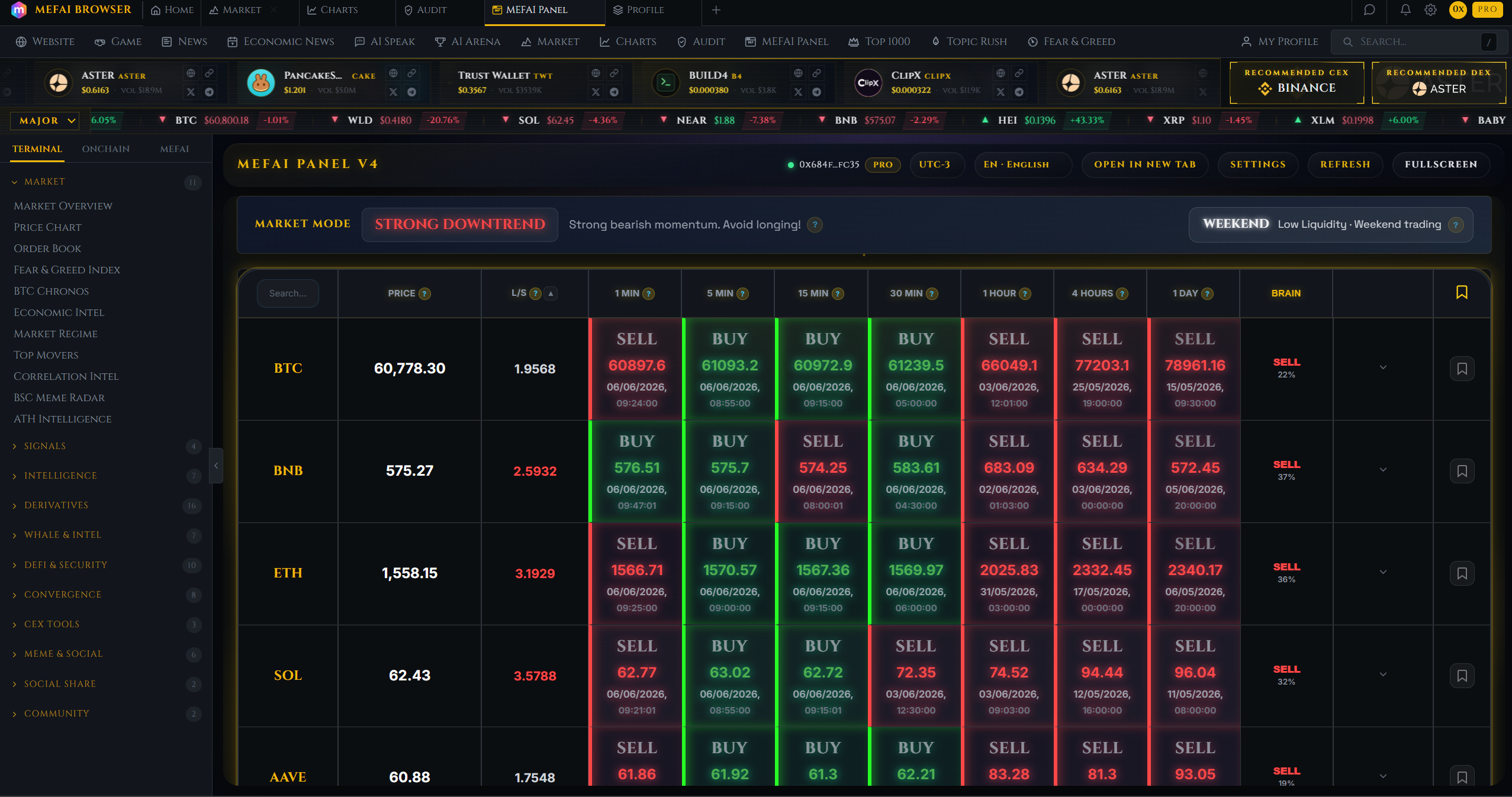
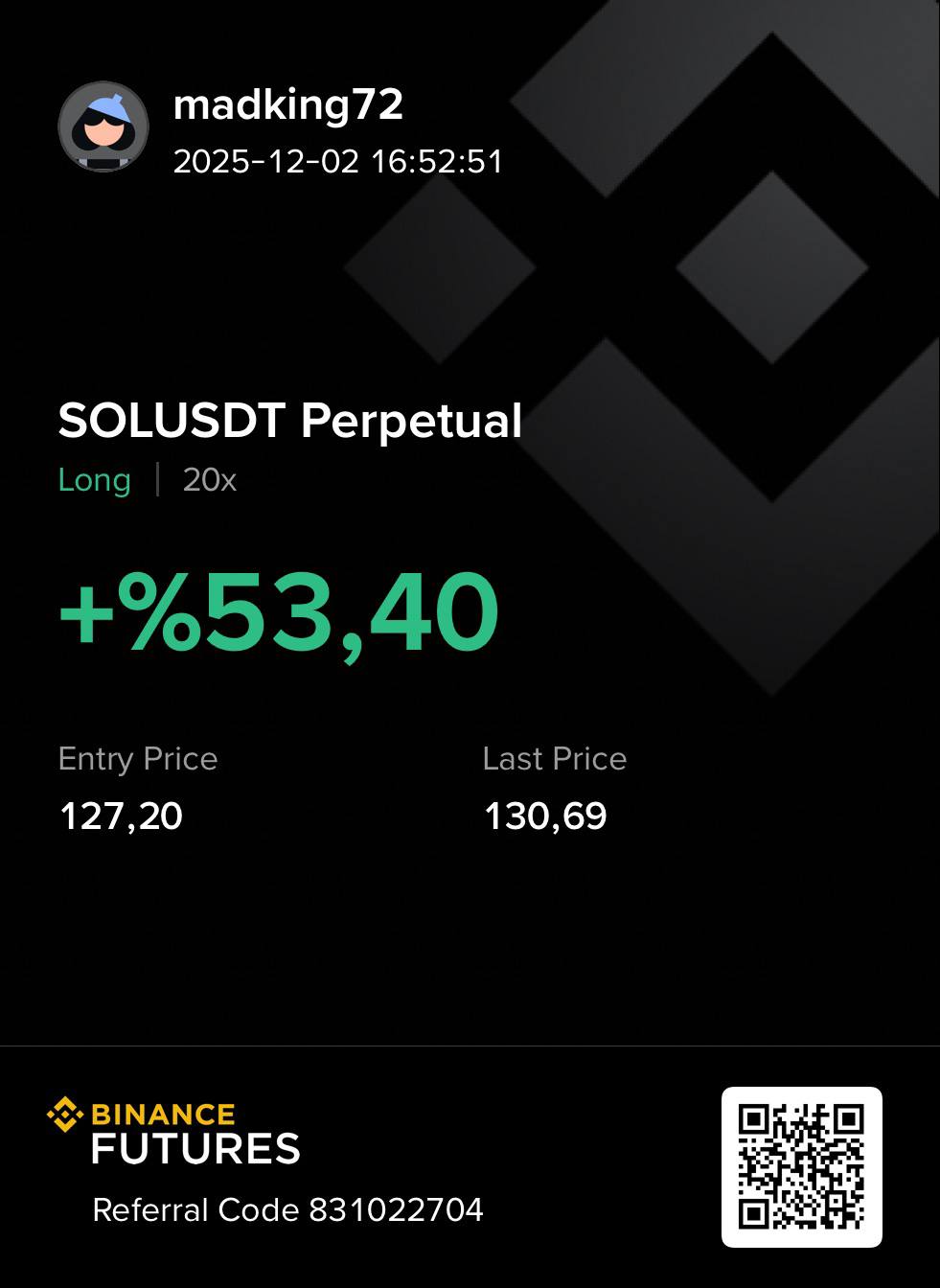
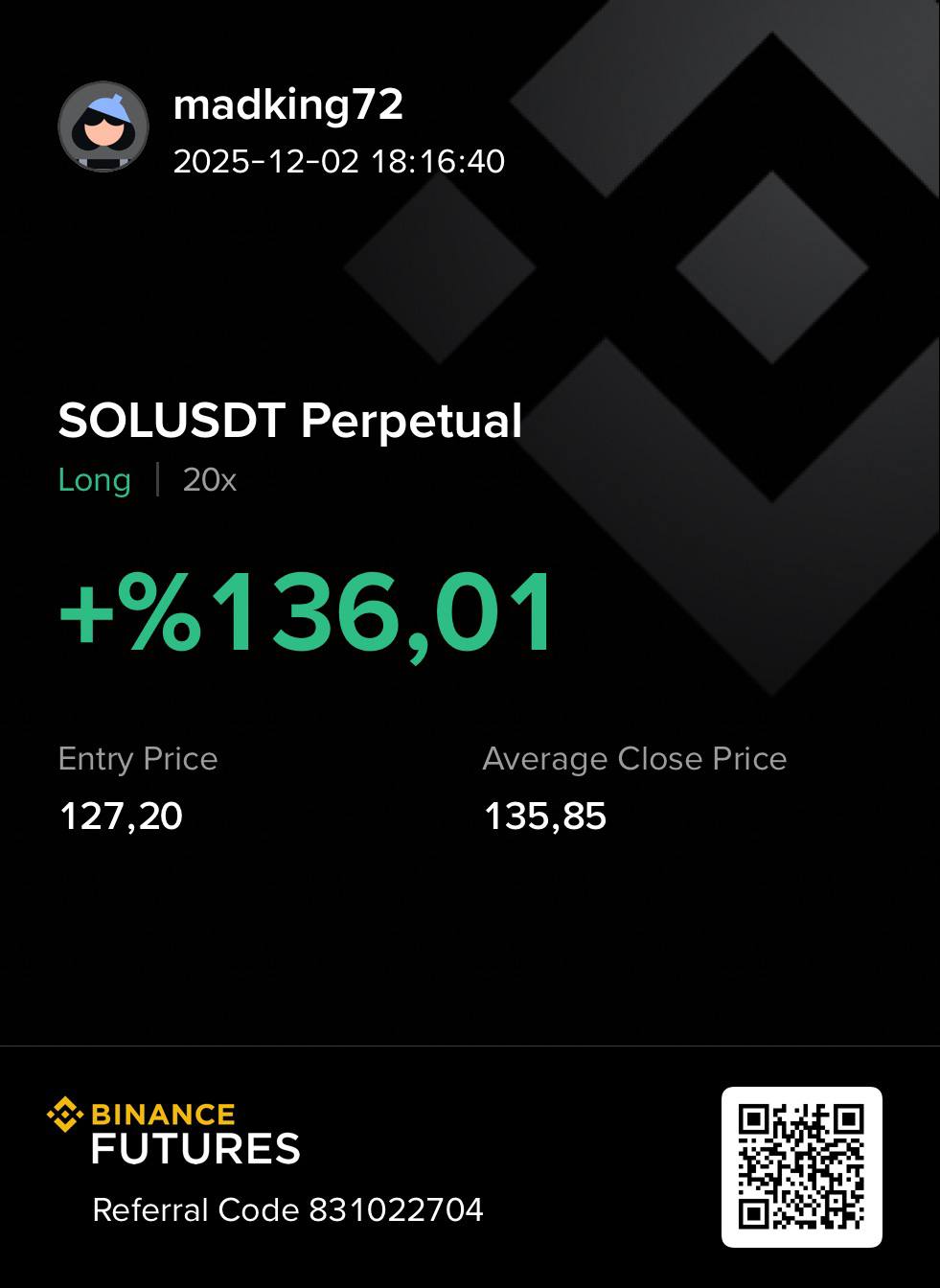
Real results from MEFAI's AI. Get $50 off the Pro plan.
Sponsored · Past performance is not indicative of future results. Not financial advice.


For those focused on practical trading, investing, and blockchain application, crypto-native platforms are the go-to. Binance Academy offers a vast, well-organized library of articles and free courses covering everything from wallet security to advanced trading concepts, often directly tied to the tools on its exchange. For a more structured curriculum, Udemy hosts numerous highly-rated courses on technical analysis, algorithmic trading with Python, and mastering specific DeFi protocols, though quality varies and you must choose instructors carefully. The standout in this category is often Ivan on Tech Academy (now Moralis Academy), which provides comprehensive, career-oriented paths in blockchain development, trading, and even AI in crypto. It combines structured learning with a large, active student community and job-placement resources, making it a top choice for those seriously considering a career shift or deepening their professional expertise in the space.
For aspiring blockchain developers, the choice narrows to intensive, code-first education. ConsenSys Academy is the definitive leader here, offering the "Blockchain Developer Bootcamp," which is the official certification path for Ethereum developers. It is rigorous, project-based, and taught by core Ethereum developers, covering everything from Solidity basics to advanced smart contract architecture and security. If your goal is a job as a blockchain engineer, this is the gold standard. Alternatively, platforms like CryptoZombies offer a uniquely gamified approach to learning Solidity, making the initial learning curve engaging and less intimidating for absolute beginners to programming. For those who prefer a university-backed, computer science-oriented approach, the Blockchain at Berkeley online courses provide a deep, technical education from one of the world's leading research institutions.
Common Mistakes to Avoid in Your Crypto Education Journey
One of the most pervasive and costly mistakes is enrolling in a "get rich quick" course that promises trading secrets or guaranteed profits. The crypto market is inherently risky, and any course that downplays risk in favor of hype should be avoided. Educational content should empower you with knowledge and risk management tools, not blind optimism. These programs often rely on selling a dream, using testimonials that may not be typical, and their primary value is often to the seller, not the student. Always seek courses that teach sustainable strategies, portfolio theory, and the importance of due diligence over promises of moonshots.
Another common error is passive consumption without active practice. Watching hours of video on smart contract vulnerabilities is not the same as auditing a sample contract yourself. Similarly, learning about chart patterns without practicing on historical data or a demo account is largely academic. The most effective courses mandate hands-on work. Before enrolling, ask: "What will I build, analyze, or create by the end of this?" If the answer is vague, the course likely won't translate into real-world skill. Dedicate time to applying every major concept in a sandbox environment or through personal projects. This active learning is what converts information into expertise and is the single biggest differentiator between someone who has taken a course and someone who has learned a skill.

Finally, failing to align the course with your actual goals and experience level is a recipe for frustration. A complete beginner jumping into an advanced developer bootcamp will be overwhelmed and likely quit. A seasoned software engineer taking a "Crypto 101" course will be bored and waste money. Honestly assess your starting point. If you know nothing, start with a foundational course on a platform like Coursera or a free beginner series from Binance Academy. If you can code but know nothing about blockchain, target a developer-focused introductory course. If you understand markets but are new to crypto, look for a trading course that bridges traditional finance concepts to digital assets. The right course at the right time maximizes your potential for both learning and application.
Final Verdict and How to Choose Your Path
The "best" crypto course is ultimately the one that matches your specific learning objective, prior knowledge, and desired outcome. For the absolute beginner wanting to understand what Bitcoin and blockchain are, a university-partnered course on Coursera provides a trustworthy, low-cost entry point. For the intermediate learner aiming to become proficient in trading, investing, or understanding DeFi, a comprehensive subscription to a platform like Moralis Academy or a curated selection of top-rated Udemy courses offers the best blend of depth and practicality. For the career-changer or professional developer intent on building on blockchains, the ConsenSys Academy bootcamp is the unambiguous leader, offering the most direct and respected path to employment.
Your final decision should involve a review of the free previews or trial content available on almost all platforms. Listen to an instructor's teaching style, review the syllabus for its progression, and assess the community's vitality on social channels. Consider the time investment required and ensure it is sustainable for you. Remember that in a field as dynamic as cryptocurrency, education is not a one-time event but a continuous process. The foundational knowledge gained from a quality course is the first step, but you must commit to ongoing learning through reputable news sources, research papers, and community engagement. Invest in education that teaches you how to learn about crypto, not just what to think today. This approach will serve you far better than any course promising a quick path to riches, equipping you with the critical thinking and technical skills to navigate the crypto landscape with confidence for years to come.
More in Learning & Courses

Best AI Courses in 2026: A Buyer's Guide to Learning Machine Learning and Prompting
Navigate the crowded landscape of AI education with this 2026 buyer's guide, comparing top platforms from Coursera to Udacity, and detailing how to choose the right course for your career goals and sk

The Definitive 2026 Buyer's Guide to Choosing a Coding Bootcamp
Navigate the crowded coding bootcamp market in 2026. We compare leading options from online immersive programs to flexible part-time platforms, helping you choose the right path based on learning styl

Trading Courses Buyer's Guide (2026): How to Choose the Right Education
Our 2026 guide evaluates top trading education platforms by format, instructor quality, and cost to help you match your learning style and goals with the right course.