The Definitive Buyer's Guide to Design Software in 2026: Choosing Your Creative Toolkit
By Mag-Info Tech editorial · 2026-06-07

The landscape of design software in 2026 is more powerful and specialized than ever. Gone are the days when one monolithic application could handle every creative task with equal proficiency. Today's market offers a spectrum of tools, from collaborative UI/UX platforms and industry-standard creative suites to intuitive no-code solutions and AI-powered assistants. Choosing the right one isn't just about features; it's about aligning with your workflow, team structure, budget, and the specific problems you need to solve. This guide will dissect the leading options, explain who each is built for, and provide a framework to avoid common pitfalls in your selection process.
The UI/UX and Prototyping Powerhouses
For interface design, prototyping, and collaborative digital product creation, the field is dominated by a few key players that have redefined team-based workflows. Figma remains the benchmark for browser-based, real-time collaboration. Its greatest strength is its multiplayer environment, where designers, developers, and stakeholders can work on a file simultaneously, comment directly on the canvas, and maintain a single source of truth. It excels in design system management, offering robust component libraries and variants that ensure consistency across large projects. Figma is the ideal choice for distributed teams, agile environments, and anyone who prioritizes seamless handoff with engineering over native platform performance.
Sketch, a long-time favorite for macOS-based UI designers, continues to thrive by focusing on a refined, high-performance native application. While it introduced collaboration features, its core strength lies in its polished vector editing, intuitive interface, and a mature plugin ecosystem tailored to the Apple ecosystem. For individual designers or studios committed to a Mac-centric workflow who value raw application speed and a specific set of trusted plugins, Sketch remains a compelling and less subscription-burdened alternative. It’s a specialist tool that prioritizes craft in a specific environment over ubiquitous, cross-platform collaboration.
The major evolution in this space has been the response from Adobe, which has aggressively integrated its legacy with modern needs. Adobe XD is positioned as a direct competitor within the Creative Cloud ecosystem, offering robust prototyping, auto-animate features, and the significant advantage of deep integration with Photoshop, Illustrator, and After Effects. For teams already invested in Adobe’s suite and requiring seamless interoperability between graphic assets and interface mockups, XD provides a logical bridge. Furthermore, the integration of Adobe Firefly generative AI directly into XD and other apps is a game-changer, allowing designers to generate UI elements, icons, and imagery from text prompts, accelerating early ideation and asset creation. The "best" choice here depends on whether your priority is collaborative immediacy (Figma), native macOS polish (Sketch), or ecosystem cohesion (Adobe XD).
The Graphic Design and Illustration Standards
For traditional graphic design, branding, editorial layout, and illustration, the competition is fierce between established industry standards and agile newcomers. Adobe Illustrator and Adobe Photoshop are still the undisputed industry standards for vector graphics and raster image editing, respectively. Illustrator’s precision tools, advanced typography controls, and unparalleled vector manipulation make it essential for logo design, complex illustrations, and print-ready assets. Photoshop remains the most powerful tool for photo compositing, retouching, and digital painting. Their dominance is reinforced by near-universal file compatibility and a vast global community of tutorials and resources. For professionals in print, advertising, and branding where deliverables must meet strict industry specifications, the Adobe duo is non-negotiable.

Challenging Adobe’s hegemony is Affinity Suite (Designer, Photo, and Publisher), which offers a compelling one-time purchase model against Adobe’s subscription. Affinity has rapidly gained a loyal following among freelance designers, illustrators, and small studios for its exceptional performance, clean interface, and professional-grade feature set that rivals its more expensive competitors. The seamless integration between its three apps (for vector, raster, and layout) mimics the Adobe workflow at a fraction of the recurring cost. If you are a solo practitioner or a cost-sensitive team that needs robust tools without the perpetual overhead, Affinity provides an exceptionally high value proposition.
On the more accessible end of the spectrum, Canva has evolved from a simple template tool into a full-fledged design platform. Its strength lies in democratizing design for marketers, social media managers, and small business owners who lack formal training. With thousands of templates, an intuitive drag-and-drop interface, and a massive library of stock assets, Canva enables rapid creation of social posts, presentations, and marketing materials. While it lacks the precision of Illustrator or Photoshop, its collaborative features and ease of use make it invaluable for non-designers within an organization to execute on-brand content quickly. The verdict for graphic design is clear: choose Adobe for uncompromising industry-standard power, Affinity for professional tools without the subscription, and Canva for speed and accessibility in marketing-focused tasks.
Creative Suites and Integrated Workflows
The concept of a "creative suite" has evolved beyond bundled applications to encompass integrated ecosystems that manage the entire creative lifecycle. Adobe Creative Cloud is the archetype, not just because it bundles Illustrator, Photoshop, InDesign, XD, and others, but because its true value is in the seamless integration between these tools and services like Adobe Fonts, Libraries, and Adobe Stock. A designer can create an illustration in Illustrator, place it in a layout in InDesign, and then link that asset for use in an XD prototype, all while maintaining live links. For agencies and studios where projects jump between disciplines—from branding to digital to print—this interconnected workflow is a massive productivity multiplier.
CorelDRAW Graphics Suite is another established integrated suite, particularly strong in specific industries like sign-making, screen printing, and apparel decoration. It bundles vector illustration, layout, and photo editing tools in a single purchase package, catering to a loyal user base that values its particular toolset and one-time licensing model. While not as ubiquitous as Adobe in the broader digital design world, it remains a leader in its specialized niches. For production-focused designers in these fields, Corel’s suite is often the most direct and cost-effective tool for the job.
A new contender in this integrated space is Canva for Teams, which extends the platform’s core simplicity into a collaborative environment for entire departments. It includes brand kits to lock down colors, logos, and fonts, templates for consistent content creation, and approval workflows. This makes it a viable "creative suite" not for professional designers, but for marketing and content teams who need to produce a high volume of on-brand visual content rapidly and consistently. The selection criterion here is workflow: if your team’s work is highly interdisciplinary and requires deep, expert manipulation of media, Adobe’s suite is still king. If your team is non-specialist and focused on branded content production, Canva for Teams offers a transformative, simplified alternative.
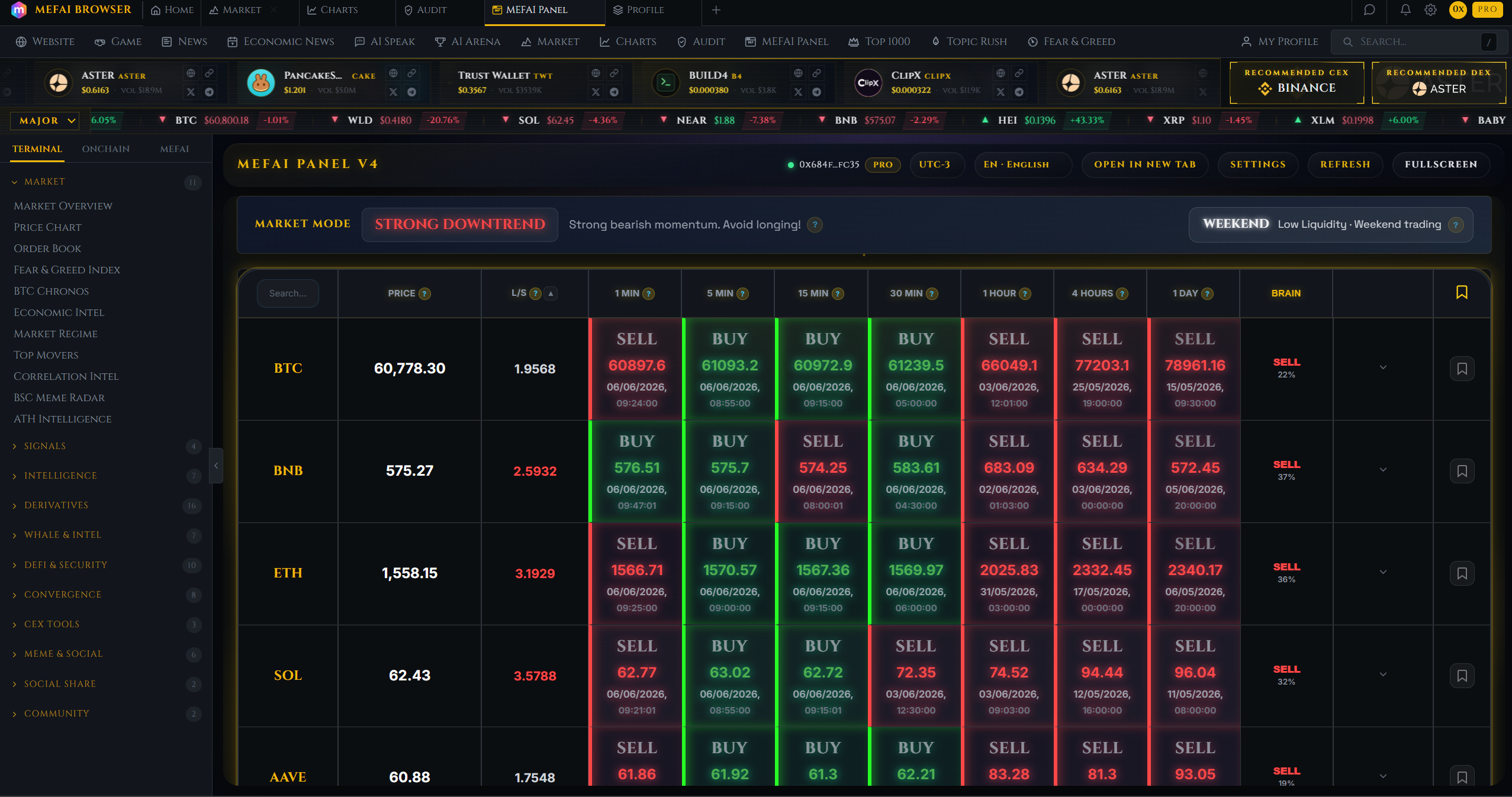


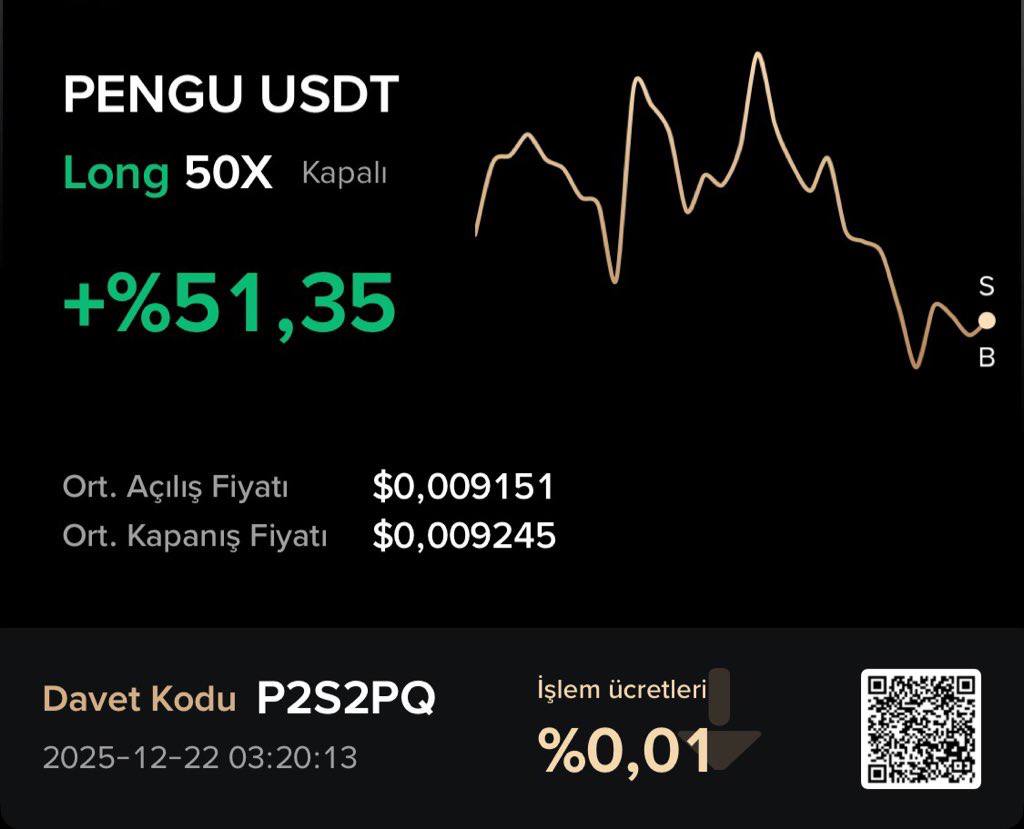


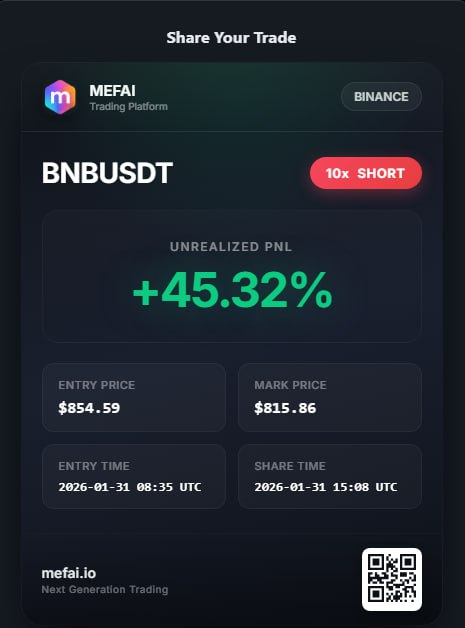
Real results from MEFAI's AI. Get $50 off the Pro plan.
Sponsored · Past performance is not indicative of future results. Not financial advice.


The Rise of AI-Powered and Generative Tools
The most significant disruption in 2026 is the deep integration of generative AI into the design process. This is no longer a separate category but a feature set being woven into existing tools. Adobe Firefly is integrated across Adobe apps, allowing for the generation of vector patterns, recoloring of artwork with text prompts, and generating creative variations from existing designs. Figma has its own AI features for layout suggestions and design exploration. The key question for buyers is no longer "Does it have AI?" but "How intelligently and seamlessly does its AI augment my workflow?"
Specialized generative tools like Midjourney and DALL-E are also part of the consideration, but as supplementary, not primary, design software. They are best used for rapid ideation, creating mood boards, generating texture backgrounds, or exploring concepts that can then be refined manually in tools like Illustrator or Photoshop. Relying on them for final deliverables is problematic due to issues with vector output, precise control, and potential copyright ambiguity. A prudent approach in 2026 is to favor primary design platforms (like Adobe or Figma) that have thoughtfully integrated generative AI as an assistant, rather than viewing standalone image generators as a replacement for core design tools. This ensures AI enhances efficiency without compromising the precision and control required for professional work.
Practical Selection Criteria: Asking the Right Questions
Before evaluating specific features, start with foundational questions about your context. First, define your core workflow: Are you primarily designing user interfaces and prototypes? Is your work print-heavy? Are you creating marketing collateral? Your primary discipline points toward the correct tool category. Second, assess your team structure and collaboration needs: Do you need real-time multiplayer editing? Is your team remote or co-located? Must developers and project managers access design files? This will heavily favor browser-based tools like Figma or the collaborative features in Adobe XD. Third, consider your technical ecosystem: Is your team on macOS, Windows, or a mix? Are you already deeply invested in one software ecosystem (e.g., Adobe)? Compatibility and integration can save hundreds of hours.
Fourth, and critically, evaluate the total cost of ownership. Look beyond the headline subscription price. Factor in the cost of plugins, stock asset libraries, additional cloud storage, and the potential productivity loss from switching costs. A one-time purchase like Affinity or CorelDRAW may have a higher upfront cost but a lower long-term TCO for a small team. Fifth, plan for the future: Consider the tool's roadmap and community. Is the company actively developing features like AI assistance or improved collaboration? A vibrant community means more plugins, tutorials, and support. Finally, always leverage free trials. There is no substitute for hands-on testing. Have your actual designers complete a representative project in your top two choices. The fluidity of the interface and how well the tool "gets out of your way" is a subjective but vital factor that only trial use can reveal.

Common Pitfalls to Avoid in Your Search
The most frequent mistake is choosing based on feature lists alone rather than workflow. A tool may boast the most advanced vector mesh tool, but if your team’s primary pain point is messy design-to-developer handoff, that feature is irrelevant. Don’t be seduced by power you will never use. Another pitfall is underestimating the collaboration and file management burden. A brilliant tool that creates a chaotic mess of versioned files on a shared drive can cripple productivity. Prioritize tools with robust version history, clear asset organization, and commenting systems built for team communication.
Ignoring the "boring" aspects of compatibility and IT management is also risky. Ensure the tool’s file formats (like .fig, .sketch, or .afdesign) are supported by your collaborators or clients. Investigate administrative controls for enterprise deployments, including user permissions, single sign-on (SSO), and security compliance. Lastly, avoid the "all-in-one" fallacy. While suites like Adobe Creative Cloud offer immense breadth, expecting one tool to be perfect for vector, raster, layout, UI, and video is unrealistic. It is often more effective to use a best-of-breed approach: Figma for UI collaboration, Illustrator for vector craft, and Canva for quick marketing assets. The most efficient workflow is a curated ecosystem, not a monolithic application.
Verdict: Tailoring the Toolkit to Your Trade
There is no single "best" design software in 2026, only the best tool for your specific needs. For UI/UX teams and collaborative digital product design, Figma’s browser-based, real-time environment sets the standard. For macOS-focused UI designers and illustrators, Sketch and the Affinity Suite offer performance and value. For professional graphic designers, illustrators, and studios needing industry-standard power and interoperability, Adobe Creative Cloud remains indispensable. For marketing teams, content creators, and non-designers, Canva’s speed and simplicity are unmatched.
Your final choice should be a deliberate decision based on an honest audit of your work, your team, and your budget. Embrace tools with intelligent AI integration that speed up drudgery without sacrificing control. Prioritize collaborative features that match how your team actually communicates. And always be willing to adapt your toolkit as your projects evolve. The right design software doesn't just let you create—it removes friction, amplifies your vision, and becomes an invisible partner in bringing your best work to life.
More in Software & SaaS

Uber and Wayve to Launch Robotaxi Service in London: What It Means for Riders and the Future of Urban Transport
Uber is preparing to deploy Wayve autonomous vehicles on London streets, opening a rider interest list ahead of a launch slated for later this year in one of its largest global markets.

Microsoft’s Xbox 25th Anniversary Console Signals a Shift in Collector Strategy
Microsoft’s translucent green Xbox Series X marks a new focus on limited collector editions and signals a broader push to monetize nostalgia in gaming hardware.

The Definitive Buyer's Guide to Productivity Software (2026 Edition)
A comprehensive guide to choosing productivity software in 2026, comparing notes, docs, focus, and workflow tools to match your specific needs and avoid common mistakes.