The 2026 Buyer's Guide to AI Chatbots: Choosing the Right LLM Assistant
By Mag-Info Tech editorial · 2026-06-07

The landscape of conversational AI has evolved dramatically, moving beyond simple query-answering to become deeply integrated, multi-modal productivity engines. In 2026, the choice is no longer simply "which chatbot is best," but rather which combination of underlying model, integration ecosystem, and interface philosophy aligns with your specific workflows and priorities. This guide cuts through the hype to provide a durable framework for evaluating the leading large language model (LLM) assistants, helping you invest your time and budget wisely in a tool that will serve as a true digital collaborator.
Understanding the Current Landscape: More Than Just Chat
The modern AI chatbot is a gateway to a powerful large language model, but the service wrapping that model defines the experience. Key differentiators include the model's native capabilities (reasoning, creativity, multimodal input/output), the ecosystem of plugins, tools, and app integrations it connects to, and its approach to data privacy and model customization. The market has consolidated around a few major players offering generalist platforms, while specialized alternatives carve out niches for specific professional needs. Choosing requires mapping these offerings against your primary use case—whether that's coding assistance, creative writing, data analysis, or enterprise knowledge management.
Furthermore, the delivery model matters significantly. You can access these tools through standalone web and mobile applications, integrated into productivity suites like Microsoft 365 or Google Workspace, or even via APIs to build custom applications. The cost structure varies widely, from generous free tiers with limited access to premium subscriptions offering higher usage limits, advanced features, and access to the latest, most capable models. Understanding these tiers is crucial, as the "best" tool might be a free version for occasional use or a premium plan for heavy, daily reliance.
Head-to-Head: The Leading Generalist Chatbots
ChatGPT (OpenAI) remains the benchmark for broad accessibility and ease of use. Its strength lies in its intuitive interface, vast and active user community that creates helpful GPTs (custom versions), and a robust plugin ecosystem that extends its functionality into areas like travel booking, academic research, and image generation with DALL-E. It excels at conversational fluidity, creative tasks, and providing well-structured explanations. For individual users, students, and professionals needing a versatile, all-purpose assistant that "just works," ChatGPT is often the default starting point. Its integration into various apps through its API also makes it a backbone for many third-party tools.
Claude (Anthropic) has established itself as a leader in producing long, nuanced, and safe outputs. Its core models are particularly adept at analysis of lengthy documents, maintaining consistent context in extended conversations, and adhering to complex ethical guidelines. Anthropic emphasizes "Constitutional AI" principles, which often translates into responses that are more careful and considered on sensitive topics. For researchers, legal professionals, writers, and anyone requiring deep engagement with large texts or prioritizing response safety and reliability, Claude presents a compelling alternative. Its focus on being a "helpful, harmless, and honest" assistant is not just a motto but is baked into its interaction style.

Gemini (Google DeepMind) is distinguished by its deep, native integration with the Google ecosystem and its strong multimodal capabilities. It can seamlessly process and reason about text, images, audio, and video within the same conversation. Its direct connection to Google Search provides real-time information access, a critical advantage for fact-checking and current events. For users deeply embedded in Gmail, Docs, Sheets, and Android, Gemini offers a level of contextual integration that is hard to match. Its ability to understand and generate content across multiple data types makes it a powerful tool for multimedia projects, marketing analysis, and research that involves various input formats.
Microsoft Copilot is the embodiment of AI integration into enterprise productivity. While it uses underlying models from OpenAI, its value is unlocked through its deep embedding within Microsoft 365 apps—Word, Excel, PowerPoint, Outlook, and Teams. It functions less as a standalone chatbot and more as an intelligent layer within your existing workflow, capable of summarizing emails, generating slide decks from documents, analyzing spreadsheet data, and drafting reports. For business professionals and organizations standardized on Microsoft 365, Copilot represents a paradigm shift in productivity, turning passive documents into active, interactive canvases. Its effectiveness is most profound within this integrated environment.
Niche Players and Powerful Alternatives
Perplexity AI operates not just as a chatbot but as an AI-powered "answer engine." Its primary differentiator is its relentless focus on sourcing and citation. Every answer is built from a synthesized overview of web sources, which are clearly linked, allowing you to verify information and delve deeper. This makes it an invaluable tool for researchers, journalists, fact-checkers, and anyone for whom the provenance of information is as important as the answer itself. It reduces the "black box" problem of LLMs by providing a transparent trail of evidence, blending the conversational interface of a chatbot with the rigor of a search engine.
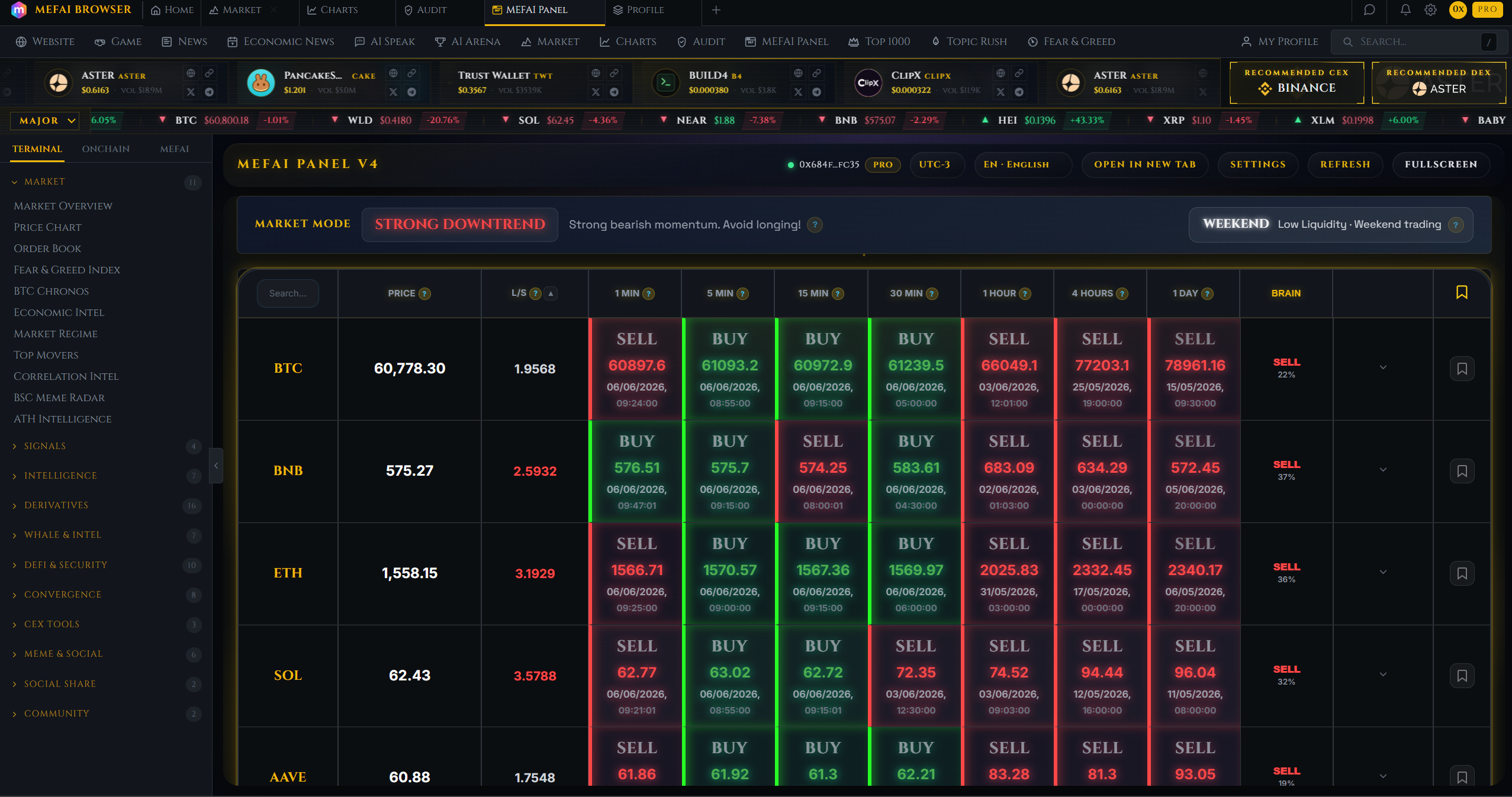
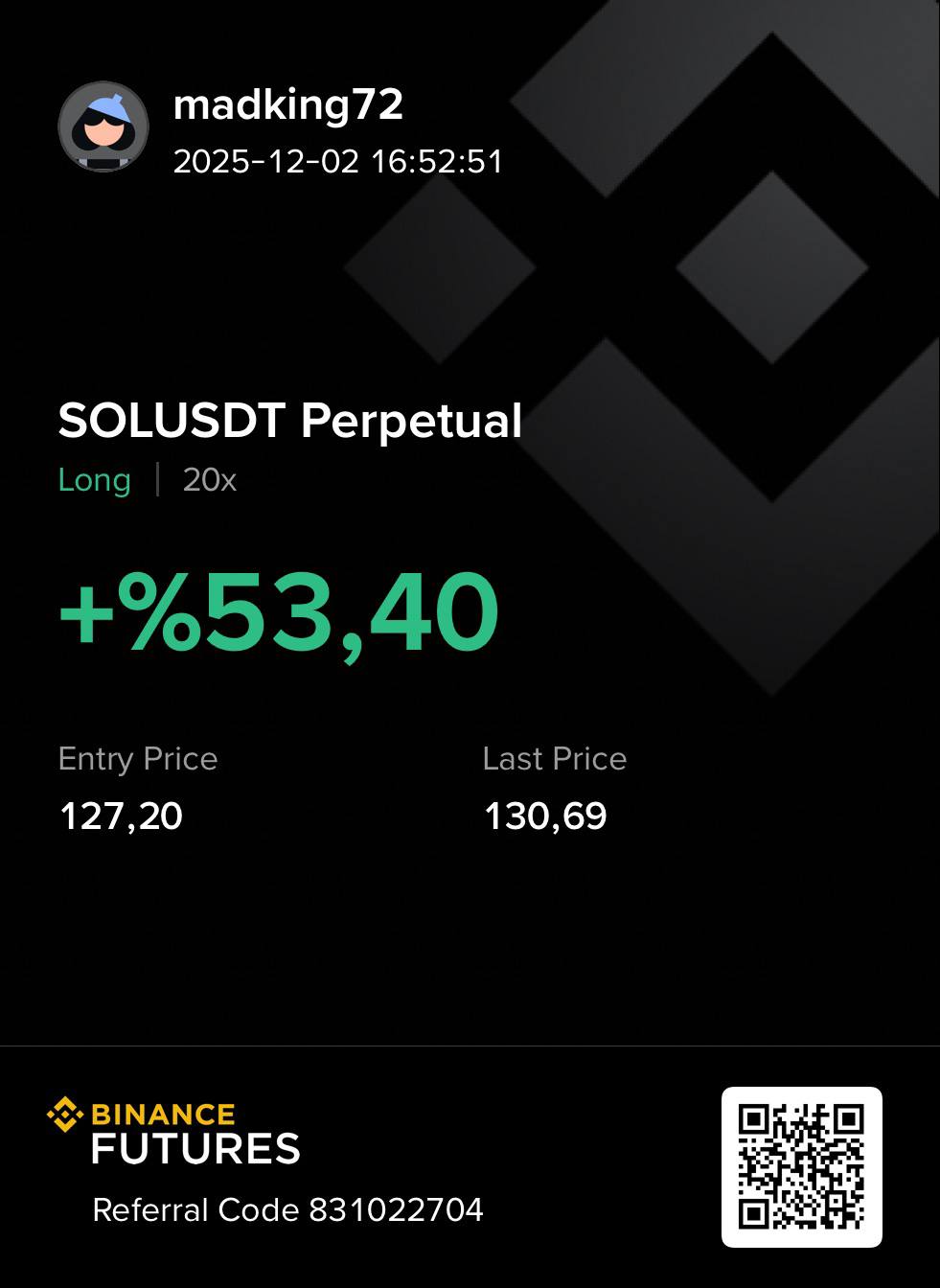
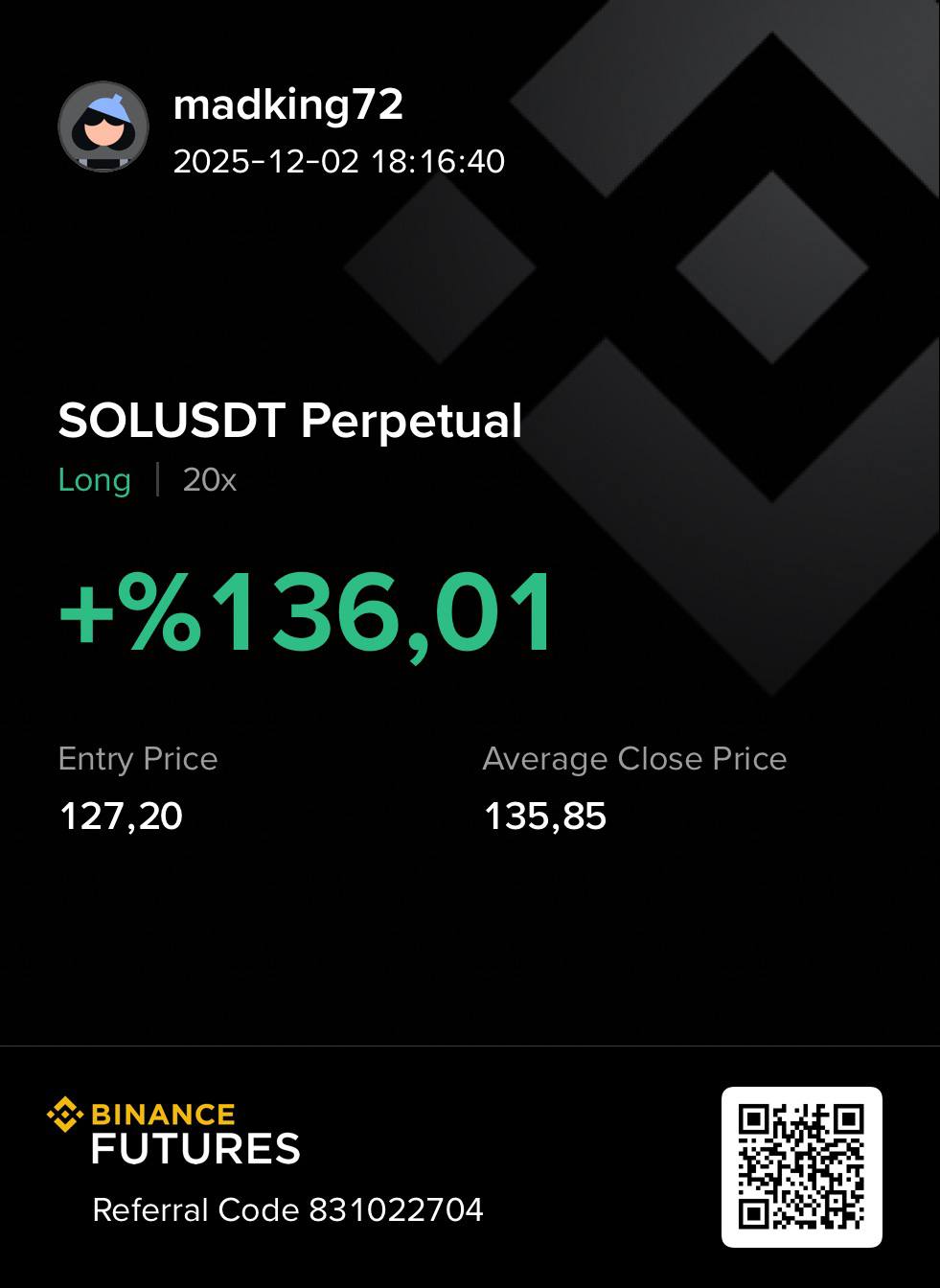
Real results from MEFAI's AI. Get $50 off the Pro plan.
Sponsored · Past performance is not indicative of future results. Not financial advice.

Mistral and Open-Source Models (via Le Chat, etc.) represent the growing power of open-weight models. Companies like Mistral AI offer highly capable models that balance performance with efficiency. Accessible through platforms like their Le Chat interface or via APIs, these models appeal to developers, tinkerers, and organizations prioritizing customization, cost control, and data sovereignty. If your priority is fine-tuning a model on proprietary data, deploying on your own infrastructure, or avoiding vendor lock-in with a major tech cloud, exploring the open-weight model ecosystem is essential. This path requires more technical expertise but offers unparalleled control.

Selection Criteria: A Practical Framework
Begin with your primary use case. Are you generating creative content, writing and debugging code, analyzing business data, or conducting deep research? A tool like Claude might excel for long-form writing, while Copilot is superior for Excel-driven tasks, and Perplexity is unbeatable for research. Match the tool's demonstrated strengths to your most frequent and valuable tasks. Consider the ecosystem and integrations. A standalone chatbot is less valuable if it doesn't connect to your existing software stack. Evaluate how well it integrates with your email, calendar, documents, and specialized tools (like coding IDEs or design software).
Model behavior and safety are critical, especially for business or sensitive applications. Different models have distinct "personalities" and guardrails. Some are more creative but prone to hallucination, others are more conservative and citation-focused. Test each with questions relevant to your field to assess accuracy, tone, and ability to handle ambiguity. Finally, scrutinize the privacy and data policy. What happens to your conversation data? Is it used to train future models? For professional use, understanding the data governance of the platform is non-negotiable. Enterprise tiers typically offer stronger data protection and compliance guarantees than free or consumer plans.

Common Mistakes to Avoid in Your Selection
A prevalent mistake is choosing based solely on a single benchmark or viral demo. Real-world performance varies with context, prompt style, and task complexity. A model that aces a math competition may falter at coherent, long-form business planning. Always conduct your own "bake-off" using real tasks from your workflow. Another error is overlooking the total cost of adoption. The subscription fee is only part of the equation. Factor in the time cost of learning a new interface, migrating your data or custom instructions, and the potential productivity dip during the transition. A slightly more expensive tool that integrates seamlessly could have a lower total cost of ownership.
Ignoring the evolution of models is also shortsighted. The leading platforms update their underlying LLMs frequently, often several times a year. A tool that was sluggish or unreliable six months ago may have seen a significant capability jump. Conversely, a tool's roadmap might be shifting toward a feature set that doesn't align with your future needs. Finally, failing to use free trials and tiers effectively is a missed opportunity. Almost every major provider offers a way to test their core service. Use these periods to run parallel experiments on your actual work, not just toy examples.
Future-Proofing Your Choice
The AI assistant you select today will become a more entrenched part of your digital life tomorrow. Consider the provider's track record and pace of innovation. Companies with strong research arms and a history of frequent, meaningful model updates are better positioned to remain leaders. Look at the breadth of their vision—are they building a chatbot, or an all-encompassing multimodal assistant? The latter is more likely to expand into new forms of interaction, like augmented reality or advanced voice synthesis.
Pay close attention to interoperability and data portability. While lock-in is a natural business strategy, tools that offer easier ways to export your conversations, custom instructions, and created content provide more flexibility. The future likely holds a more modular AI landscape where you might combine the reasoning power of one model with the specialized knowledge of another. Choosing platforms that value open standards and API access can preserve your options. Ultimately, the best choice is one that solves your problems today while demonstrating the vision and flexibility to adapt alongside the rapidly advancing frontier of artificial intelligence.
More in Artificial Intelligence

Crypto Recovery on Shaky Ground as Major Tech IPOs Threaten Liquidity Drain
Bitcoin's rebound above $63,000 faces headwinds from accelerating ETF outflows, subdued trading volumes, and looming liquidity drain from massive SpaceX and Anthropic IPOs.

The AI Coding-Assistant Race Heats Up: What the New Moves Mean for Developers
In June 2026 the AI coding-assistant market shifted with new enterprise moves from OpenAI, Google and Microsoft while Anthropic’s Claude Code leads—here’s what developers should watch next.

MetaMask’s AI Agent Wallet: What It Means for Self-Custody, Security and DeFi Automation
MetaMask’s new AI agent wallet lets autonomous software trade across DeFi while keeping users in control, with built-in transaction simulation, threat scanning and MEV protection.