
OpenAI's Lockdown Mode: A Strategic Trade-Off in the AI Security Arms Race
By Mag-Info Tech editorial · 2026-06-07
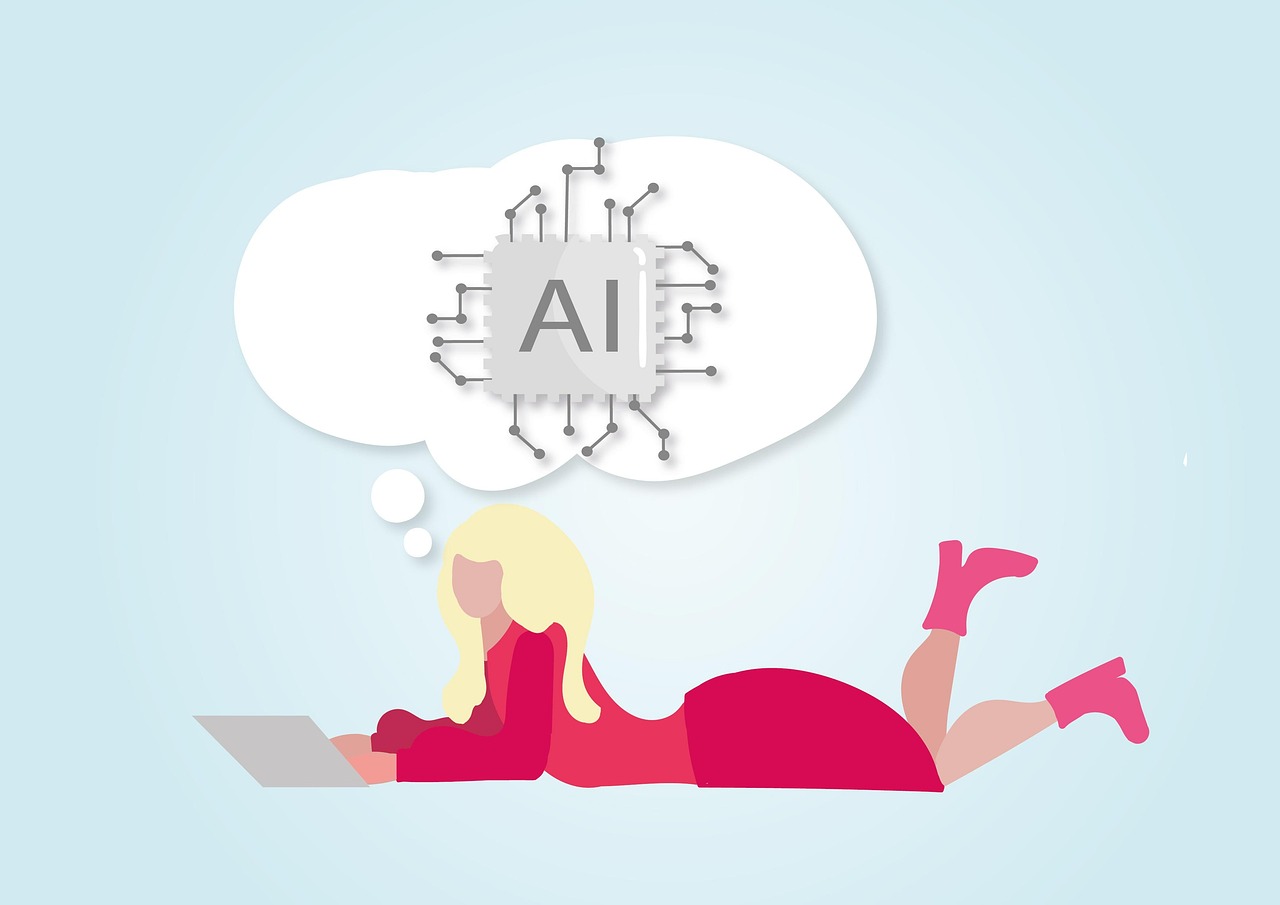
The launch of OpenAI's Lockdown Mode marks a significant, if cautious, step in the ongoing battle to secure generative AI systems against a pervasive class of vulnerabilities known as prompt injection. This feature is a direct response to the growing recognition that the very capabilities making large language models powerful—like accessing the live web, processing images, and operating with autonomous "agent" modes—also create new attack surfaces. Malicious instructions hidden within external content can hijack the model's behavior, potentially leading to the exfiltration of sensitive user data or unintended actions. While not a silver bullet, Lockdown Mode represents a pragmatic, defense-in-depth strategy from OpenAI, prioritizing data confidentiality over maximum functionality for users in high-stakes environments. It signals a maturing approach to AI safety, where absolute prevention is balanced with risk mitigation.
At its core, Lockdown Mode functions as a deliberate constriction of ChatGPT's capabilities. By disabling live web browsing, it severs the model's ability to fetch real-time information, a feature often exploited when malicious content on a webpage issues unauthorized commands. Restricting the retrieval and display of web-sourced images further closes this vector, as images can contain encoded payloads or deceptive content designed to trigger harmful responses. The disabling of "deep research" and "agent mode" is particularly telling; these advanced features, which allow the AI to perform multi-step tasks and interact with external systems, represent a substantial expansion of the potential impact zone for a successful prompt injection attack. In this mode, ChatGPT is effectively sandboxed, its operational reach limited to cached data, user-uploaded files, and its own generated content like AI-created images. This controlled environment dramatically reduces the avenues through which an attacker could inject malicious instructions.

The most critical aspect of OpenAI's announcement is its transparency about the limitations. The company explicitly states that Lockdown Mode does not guarantee immunity. Prompt injections could still lurk within previously cached web content that the model processes or, more directly, within documents and files uploaded by the user for analysis. A malicious instruction embedded in a PDF report or a spreadsheet could still manipulate the model's output or behavior, potentially causing it to disclose other sensitive information from the chat session. The stated goal, therefore, is not to eliminate risk but to "reduce the likelihood that sensitive data gets shared in the process." This is a crucial distinction. It acknowledges that prompt injection may be an inherent challenge in the architecture of current large language models, shifting the focus from perfect prevention to minimizing the blast radius of any successful attack.
OpenAI's positioning of this feature is unequivocally enterprise-focused. The company states it is "not intended for everyone," but is "designed for people and organizations that handle sensitive data and want stricter protection from data exfiltration risks." This targets a specific user profile: legal teams handling confidential case files, financial analysts reviewing proprietary documents, healthcare providers working with patient information, and corporate R&D groups using AI for competitive analysis. For these users, the loss of real-time web access is an acceptable trade-off for a hardened security posture. The initial rollout to ChatGPT Business accounts and eligible personal accounts further confirms this is a premium security feature, likely to be a key consideration in corporate AI adoption policies and procurement decisions. It provides a tangible, user-configurable option that IT departments can mandate for sensitive workflows.
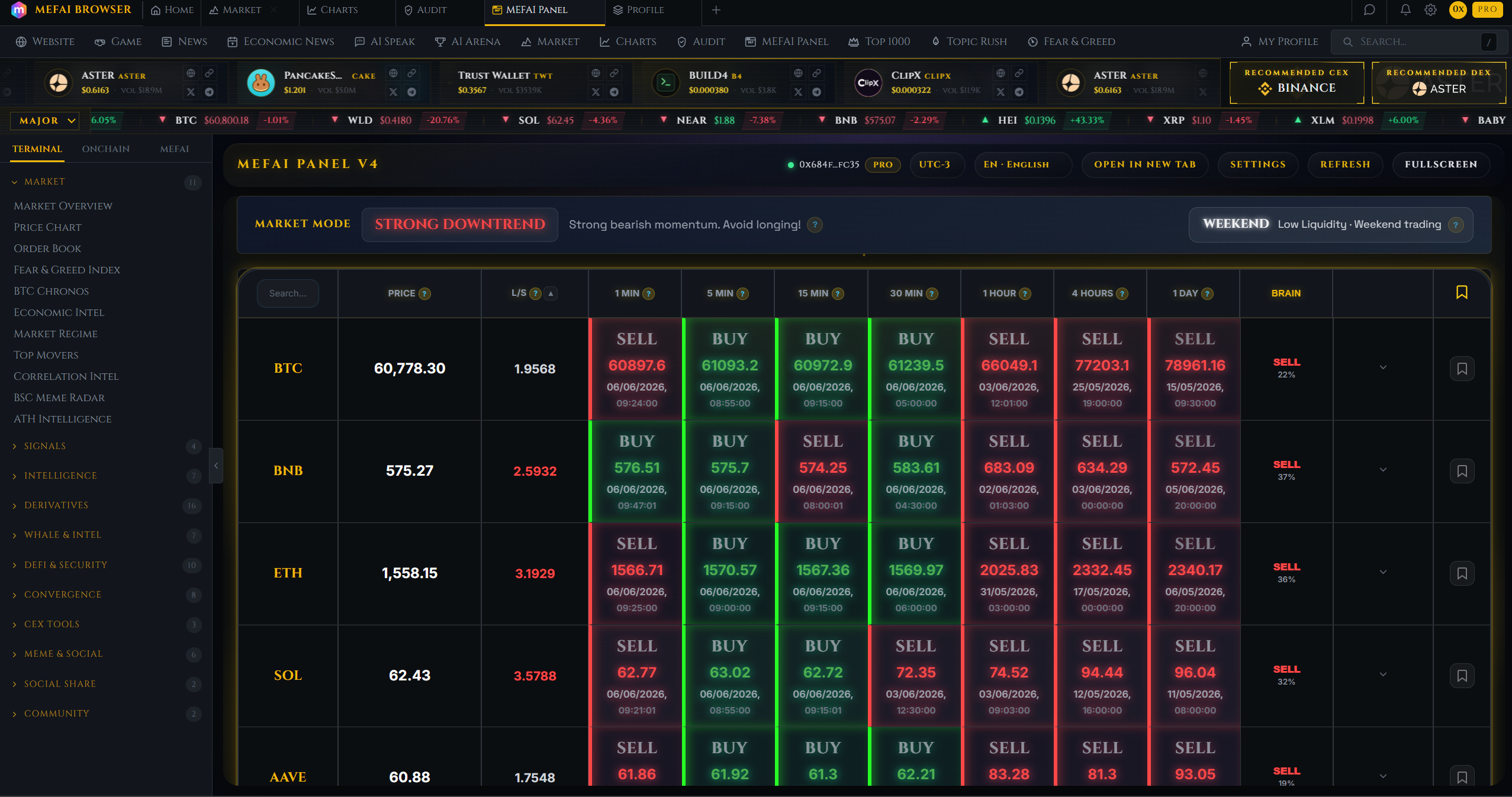
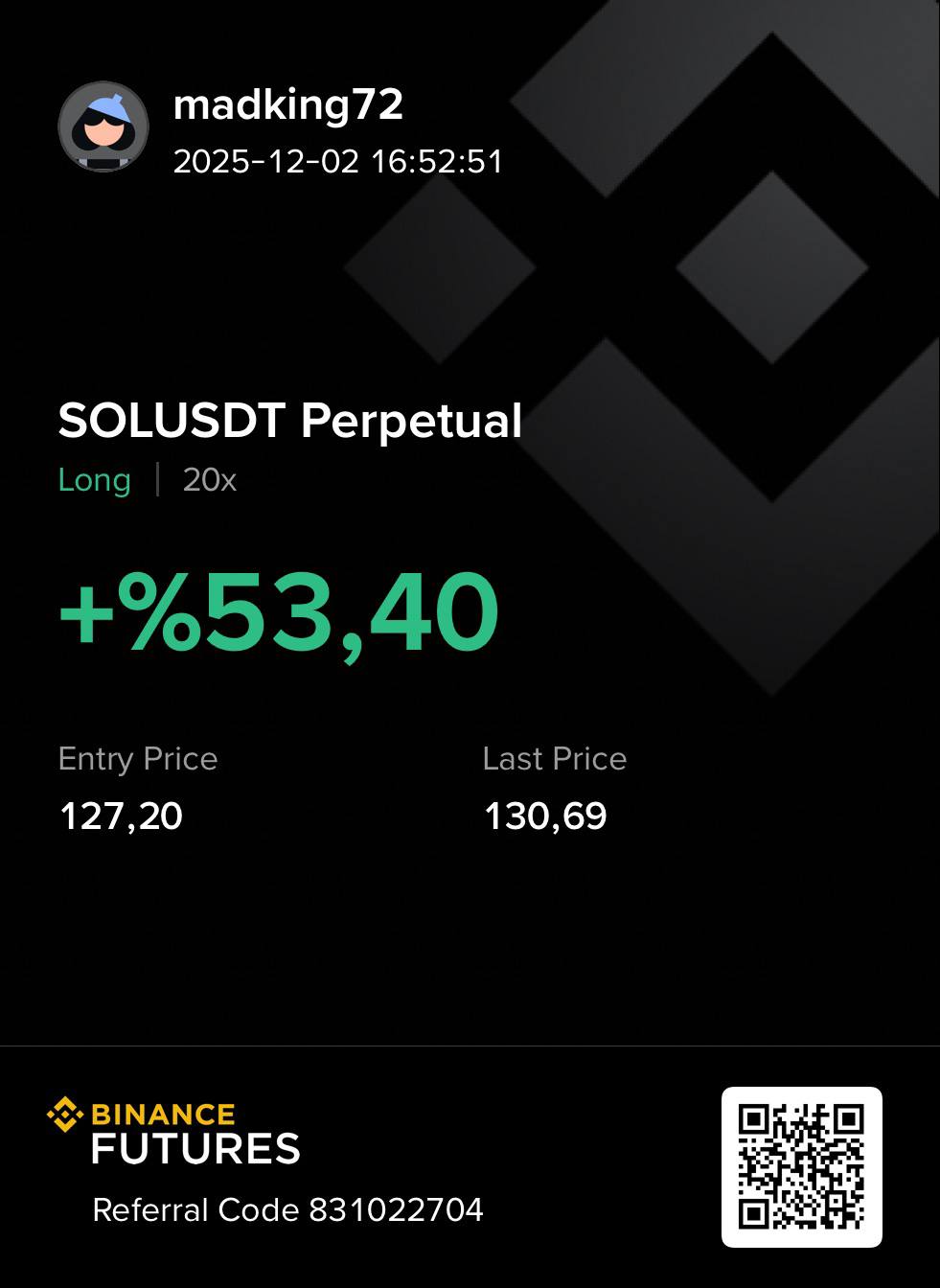
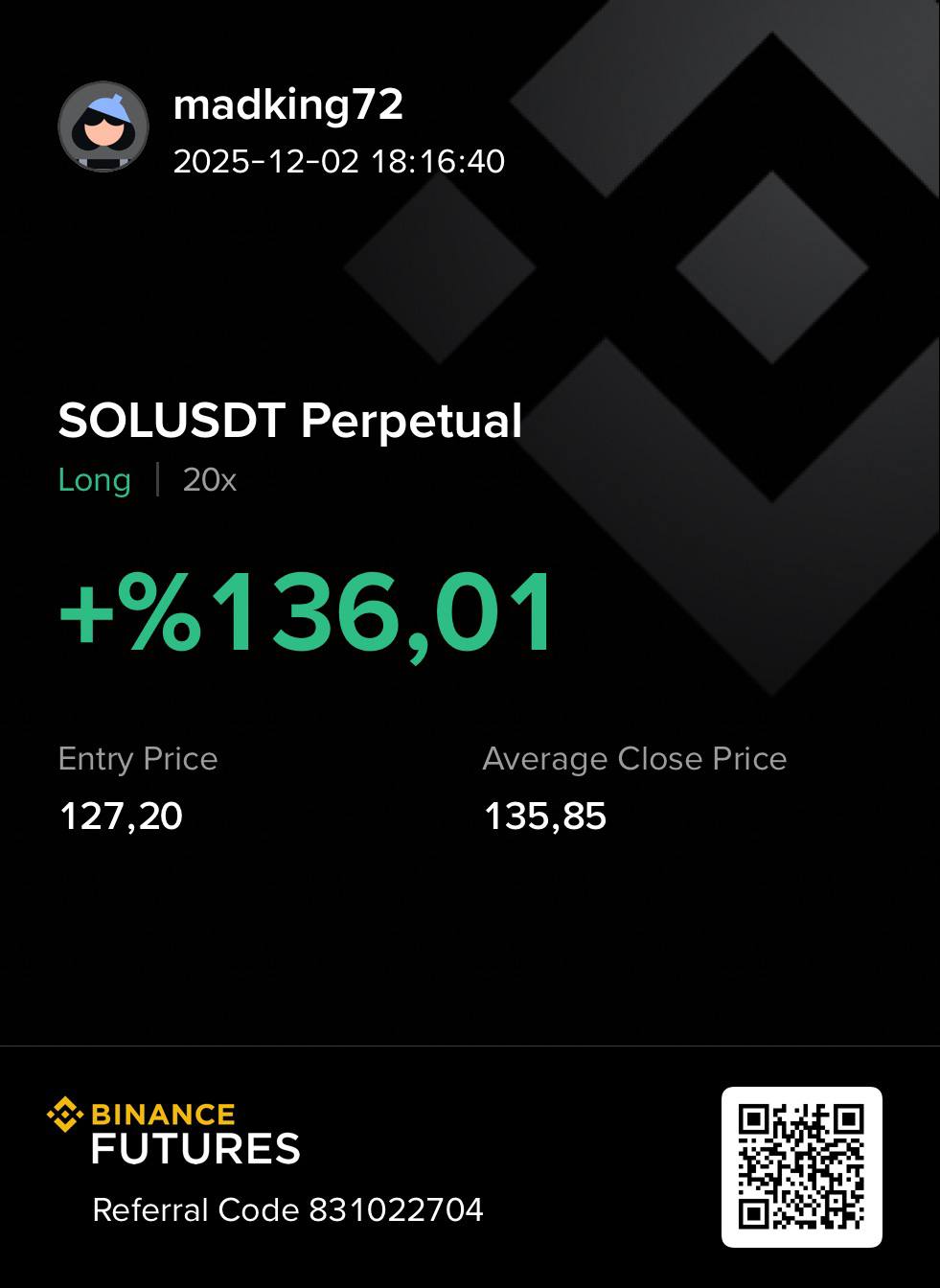

Real results from MEFAI's AI. Get $50 off the Pro plan.
Sponsored · Past performance is not indicative of future results. Not financial advice.


The introduction of Lockdown Mode adds a new layer to the complex decision matrix for deploying AI in the enterprise. Organizations must now conduct formal risk assessments to determine which use cases require this level of restriction. A customer service bot analyzing publicly available product manuals might not need it, but an AI assistant summarizing merger and acquisition documents almost certainly would. This creates a potential bifurcation in AI tools: high-functionality modes for general productivity and high-security modes for sensitive tasks. Administrators will need clear policies governing when and how Lockdown Mode is activated, balancing security with the productivity gains that more capable AI modes can offer. This also underscores the growing importance of data classification and handling protocols within organizations, as the sensitivity of the data being processed should dictate the security settings of the AI tool accessing it.

From an industry perspective, this move reflects the escalating importance of AI security as a core product feature, not just an academic research topic. As AI agents become more autonomous and deeply integrated into business processes, the potential damage from a successful prompt injection grows exponentially. OpenAI is responding by building in configurable guardrails, acknowledging that a one-size-fits-all approach is insufficient. We can expect competitors to follow suit, developing their own versions of restricted modes to meet enterprise security demands. This could spur innovation in AI security tooling, such as more sophisticated input sanitization, real-time injection detection systems, and secure enclaves for processing untrusted data. The arms race between AI attackers and defenders is now a central part of the product development lifecycle.
Ultimately, Lockdown Mode is a foundational and necessary development, not a final solution. It demonstrates that the AI industry is moving beyond purely capability-driven development to address the security and trust implications of its creations. For users and organizations, it means that powerful AI tools can be tailored to risk tolerance, but it also demands greater awareness and responsibility. Users cannot assume the AI is inherently secure; they must actively manage the environment in which it operates, especially the data they feed into it. The existence of this mode is a clear signal: as AI becomes more embedded in our critical infrastructure and sensitive workflows, its security architecture must evolve from a monolithic assumption of safety to a customizable, risk-aware framework. Watch for further developments from OpenAI and its competitors in fine-grained permission systems and automated threat detection, as the quest for safe, powerful, and practical AI continues.
More in Artificial Intelligence
Crypto Recovery on Shaky Ground as Major Tech IPOs Threaten Liquidity Drain
Bitcoin's rebound above $63,000 faces headwinds from accelerating ETF outflows, subdued trading volumes, and looming liquidity drain from massive SpaceX and Anthropic IPOs.

The AI Coding-Assistant Race Heats Up: What the New Moves Mean for Developers
In June 2026 the AI coding-assistant market shifted with new enterprise moves from OpenAI, Google and Microsoft while Anthropic’s Claude Code leads—here’s what developers should watch next.

MetaMask’s AI Agent Wallet: What It Means for Self-Custody, Security and DeFi Automation
MetaMask’s new AI agent wallet lets autonomous software trade across DeFi while keeping users in control, with built-in transaction simulation, threat scanning and MEV protection.